CampDeck is reader-supported. When you buy through links on our site, we may earn an affiliate commission.
CAMPING & OUTDOOR GEAR
Phone cases · 15% off first order
Phone Case GiftThey pick the model · 2 minutes Code FIRST15GIFTBackpacking Tent Features: Vestibules vs. Doors vs. Ventilation
Gear that earns its weight. Reviews of tents, sleeping bags, backpacks, camp stoves, and outdoor gear tested on real trips. We carry what we recommend, sleep in what we review, and cook on what we rate. No glamping gear. No Instagram setups.
Gear tested on real trips, in real weather. Bought at retail. No brand partnerships.
Choosing a backpacking tent can feel overwhelming. Beyond the obvious considerations like weight and packed size, the features of your tent – specifically the vestibule, door configuration, and ventilation options – significantly impact comfort and usability on the trail. These aren’t just cosmetic details; they directly affect how you manage condensation, access your gear, and adapt to varying weather conditions. Let’s break down each element and explore how they contribute to a better backpacking experience.
Vestibules: Your Tent’s Mudroom
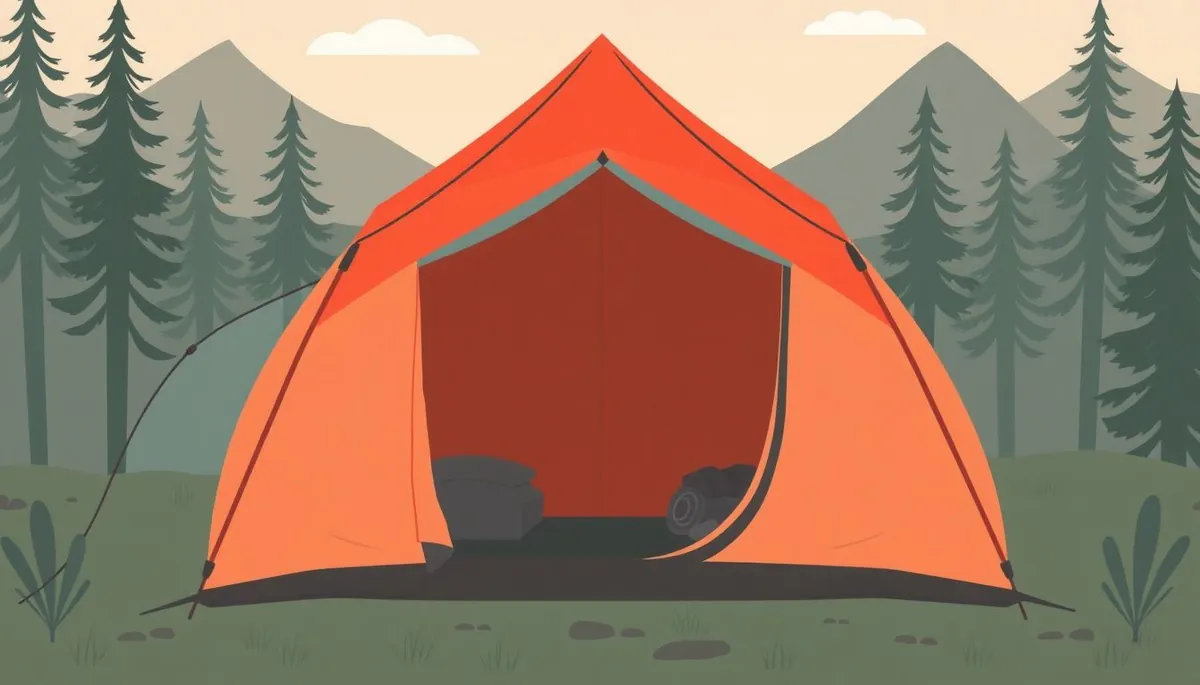
A vestibule is essentially an extended awning or enclosed porch area attached to the tent entrance. Its primary purpose is to provide protected storage space outside the main sleeping area. Think of it as a mudroom for your tent.
Vestibule Size and Capacity
The size of the vestibule is crucial. A tiny vestibule might only accommodate a pair of boots, while a larger one can house backpacks, cooking gear, and even provide some dry space for preparing meals in inclement weather. Consider the volume of gear you typically carry and the number of occupants in the tent. A solo hiker might be fine with a smaller vestibule (5-7 sq ft), but a couple or group will benefit from a larger one (10+ sq ft per person).
Vestibule Shape and Accessibility
Vestibule shape also matters. Look for vestibules that offer easy access to your gear without requiring you to crawl over everything. Some vestibules have a single door, while others feature two, providing separate entry and exit points. Two doors can be especially useful in two-person tents, allowing each person to access their gear without disturbing the other. Also, consider the height of the vestibule. A taller vestibule allows for more comfortable sitting and gear organization.
Vestibule Material and Waterproofing
The vestibule should be made of waterproof material, ideally the same as the tent fly. Seam-taped construction is essential to prevent water leakage. Pay attention to the denier (D) rating of the fabric – a higher denier indicates a more durable and water-resistant material. Also, check that the vestibule floor (if present) is bathtub-style, meaning it extends up the sides to prevent water from splashing in.
Doors: Entry, Exit, and Ventilation Control
Phone cases · 15% off first order
Titan CasePrecision fit · 2,000+ designs Code FIRST15TITThe door configuration of your backpacking tent affects not only ease of entry and exit but also ventilation and overall usability.
Number of Doors
The number of doors is a key consideration. Single-door tents are lighter and simpler, but they can be inconvenient for multiple occupants. Two-door tents offer individual access, reducing the need to climb over your tentmate. Some larger tents even feature three or more doors, providing maximum accessibility and ventilation options.
Door Shape and Size
Door shape and size influence ease of entry and exit. D-shaped doors are common and generally easy to use. Larger doors make it easier to get in and out, especially when wearing bulky clothing or carrying gear. Consider the height of the door opening – a higher opening is more comfortable for taller individuals. Low-profile doors can save weight but might require more bending over.
Door Placement and Orientation
Door placement is also important. Doors positioned on the sides of the tent offer more privacy than those located at the front. The orientation of the door (e.g., opening to the left or right) can also affect usability, especially if you’re camping in a specific location with limited space.
Ventilation: Managing Condensation and Airflow
Proper ventilation is critical for minimizing condensation inside your backpacking tent and ensuring a comfortable night’s sleep. Condensation occurs when warm, moist air inside the tent comes into contact with the cooler tent walls. This can lead to a damp sleeping bag and uncomfortable conditions.
Mesh Panels
Mesh panels are the primary means of ventilation in most backpacking tents. Large mesh panels on the tent body allow for airflow, reducing condensation and keeping you cool in warmer weather. Look for tents with extensive mesh coverage, particularly in the upper portion of the tent.
Vents and Windows
Additional vents, often located in the tent fly, can further enhance ventilation. These vents allow for airflow even when the fly is fully closed, preventing condensation buildup in wet conditions. Some tents also feature windows that can be opened for additional ventilation and views. Ensure vents are positioned to maximize cross-ventilation, drawing air through the tent effectively.
Adjustable Ventilation Options
The best backpacking tents offer adjustable ventilation options, allowing you to fine-tune airflow based on weather conditions. For example, vents that can be opened or closed, or doors that can be partially unzipped to expose mesh panels. This versatility is essential for adapting to varying temperatures and humidity levels.
Ground Level Vents
Don’t overlook ground-level vents. These vents can be surprisingly effective at creating airflow, particularly in warmer conditions. They also help to exhaust heavier, moist air that tends to accumulate near the ground.
Ultimately, the best backpacking tent for you will depend on your individual needs and priorities. Consider the type of trips you typically take, the weather conditions you expect to encounter, and the amount of gear you carry. By carefully evaluating the vestibule, door configuration, and ventilation options, you can choose a tent that provides optimal comfort, protection, and usability on the trail. Don’t forget to check out our article on How to compare tents before you buy for more general tips!
Our picks worth a closer look
Phone cases · 15% off first order
Phone Cases For CharityEvery case supports a cause Code GIVE10- MSR Hubba NX Solo Backpacking Tent — see current price and specs.
- Osprey Atmos AG 65 Men’s Backpacking Pack — see current price and specs.
- Nalgene 32oz Tritan Wide Mouth BPA Free Water Bottle — see current price and specs.
- Black Diamond Spot 350 Headlamp — see current price and specs.