
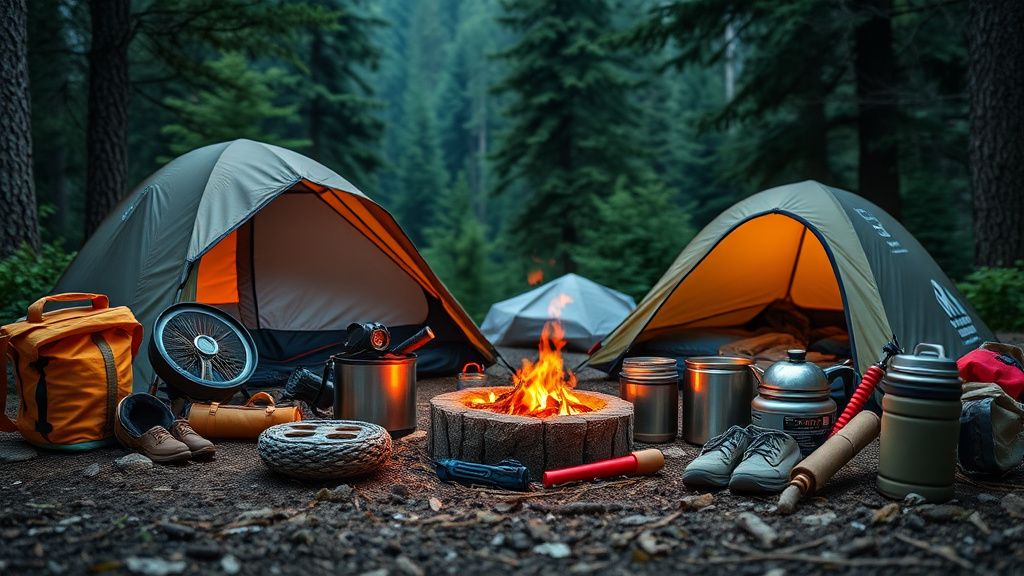
Best Camping Tarps: Versatile Shelters for Any Weather
Camping tarps are essential gear for outdoor enthusiasts, offering versatile protection from the elements. Whether you’re backpacking, car camping, or setting up a basecamp, a reliable tarp can serve as a rain shelter, sunshade, ground cover, or even an emergency tent replacement. With so many options available, choosing the right tarp depends on your needs, the weather conditions you expect, and how you plan to use it. Here’s a breakdown of the best types of camping tarps and what makes them stand out.
Types of Camping Tarps
Phone cases · 15% off first order
Phone Case GiftThey pick the model · 2 minutes Code FIRST15GIFT
1. Polyethylene Tarps
Polyethylene tarps are lightweight, affordable, and highly waterproof. These tarps are often reinforced with grommets or loops for easy attachment to trees or poles. While they’re durable and great for heavy rain, they’re less breathable than other materials, which can lead to condensation buildup. Polyethylene tarps are ideal for car campers or those who need a budget-friendly option for occasional use.
2. Silnylon Tarps
Silnylon tarps are a favorite among backpackers due to their lightweight and packable design. Made from silicone-coated nylon, these tarps are water-resistant, windproof, and highly durable. They’re perfect for minimalist setups and long-distance hikes where weight is a concern. However, silnylon tarps can stretch when wet, so proper tensioning is key to maintaining their effectiveness.
3. Cuben Fiber Tarps
Cuben Fiber (also known as Dyneema Composite Fabric) tarps are the gold standard for ultralight camping. Incredibly lightweight and strong, these tarps are waterproof and resistant to UV damage. While they’re more expensive than other options, their durability and weight savings make them a top choice for thru-hikers and serious backpackers.
4. Canvas Tarps
Canvas tarps are heavy-duty and ideal for car camping or basecamp setups. Made from cotton or polyester blends, they’re breathable, UV-resistant, and provide excellent insulation. While they’re heavier and bulkier than synthetic tarps, canvas tarps are perfect for extended stays in hot or sunny environments where ventilation is important.
5. Reflective Tarps
Reflective tarps, often made from Mylar or other heat-reflective materials, are designed to block sunlight and retain warmth. These tarps are great for desert camping or cold weather conditions. They’re also useful for emergencies, as they can be used to signal for help or create a makeshift shelter.
Key Features to Consider
Size and Shape
Tarps come in various sizes and shapes, including rectangular, square, and hexagonal designs. Larger tarps provide more coverage but are heavier and bulkier. Smaller tarps are easier to carry but may not offer enough protection for groups or gear. Consider the number of people and the amount of equipment you need to shelter when choosing a size.
Weight and Packability
For backpackers, weight and packability are crucial. Silnylon and Cuben Fiber tarps are the lightest options, while canvas and polyethylene tarps are bulkier and better suited for car camping.
Waterproofing and Durability
Look for tarps with waterproof coatings or treatments, especially if you’re camping in wet climates. Reinforced edges and high-quality stitching also contribute to durability, ensuring your tarp can withstand wind and rough terrain.
Attachment Points
Grommets, loops, and reinforced tie-outs are essential for securing your tarp. Some tarps come with adjustable guylines or bungee cords, making setup easier. Ensure the attachment points are strong enough to handle tension and weather conditions.
UV Resistance
If you’re camping in sunny or desert environments, UV resistance is important to prevent degradation over time. Silnylon and Cuben Fiber tarps excel in this area, while polyethylene tarps may degrade faster under prolonged sun exposure.
Best Uses for Camping Tarps
Phone cases · 15% off first order
Titan CasePrecision fit · 2,000+ designs Code FIRST15TIT
Rain Shelter
A tarp can be pitched as an A-frame, lean-to, or diamond configuration to protect you and your gear from rain. Pair it with a hammock or ground tent for added protection.
Sun Shade
In hot weather, a tarp can create a shaded area to relax or cook under. Reflective tarps are particularly effective at blocking sunlight and reducing heat.
Ground Cover
Use a tarp as a groundsheet to protect your tent floor from abrasions, moisture, and dirt. This extends the life of your tent and keeps your sleeping area clean.
Emergency Shelter
In unexpected situations, a tarp can serve as a quick shelter or windbreak. Its versatility makes it a must-have for survival kits.
What to Look for in a Camping Tarp
When choosing a camping tarp, consider the following factors:
- Material: Match the tarp material to your camping style and weather conditions. Silnylon and Cuben Fiber are best for backpackers, while canvas and polyethylene suit car campers.
- Size: Ensure the tarp is large enough to cover your needs but compact enough to carry comfortably.
- Weight: For backpacking, prioritize lightweight options like silnylon or Cuben Fiber.
- Waterproofing: Look for tarps with waterproof coatings or treatments for wet climates.
- Attachment Points: Check for reinforced grommets, loops, or tie-outs for secure setup.
- UV Resistance: If camping in sunny areas, choose a tarp with UV protection to prevent degradation.
Conclusion
Phone cases · 15% off first order
Phone Cases For CharityEvery case supports a cause Code GIVE10A camping tarp is one of the most versatile pieces of outdoor gear you can own. Whether you’re shielding yourself from rain, creating a shaded oasis, or improvising an emergency shelter, the right tarp can make all the difference. By considering factors like material, size, and intended use, you can find the perfect tarp for your next adventure. Invest in a high-quality tarp, and you’ll enjoy reliable protection and endless possibilities in the great outdoors.