
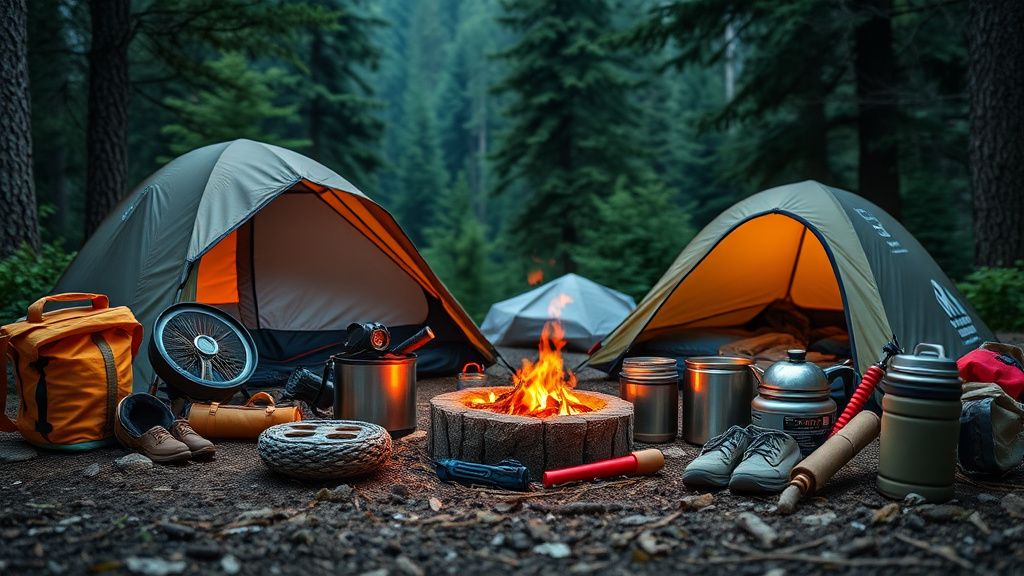
Buying Guide: Choosing the Right Camping Stove Fuel Type
When planning a camping trip, selecting the right stove fuel is just as important as choosing the stove itself. The fuel type affects cooking efficiency, weight, availability, and environmental impact. This guide breaks down the most common camping stove fuel options—propane, butane, white gas, alcohol, and solid fuel—to help you make an informed decision.
1. Propane
Phone cases · 15% off first order
Phone Case GiftThey pick the model · 2 minutes Code FIRST15GIFT
Propane is one of the most widely used fuels for camping stoves due to its high energy output and ease of use. It comes in pressurized canisters, often with a threaded connection for secure attachment to stoves.
Pros:
- High heat output—ideal for boiling water quickly and cooking large meals.
- Stable in cold weather—performs better than butane in low temperatures.
- Widely available—canisters are sold at most outdoor and hardware stores.
Cons:
- Bulky canisters—less packable than smaller fuel options.
- Non-refillable—disposable canisters create more waste.
Best for: Car campers, family trips, and cold-weather camping where weight isn’t a major concern.
2. Butane
Butane is similar to propane but comes in smaller, lighter canisters. It’s commonly used in compact backpacking stoves.
Pros:
- Lightweight and compact—great for backpackers prioritizing space.
- Easy to use—simple canister attachment with no priming required.
Cons:
- Poor cold-weather performance—struggles below freezing.
- Lower heat output—slower boiling times compared to propane.
Best for: Warm-weather backpacking, solo trips, and ultralight setups.
3. White Gas (Liquid Fuel)
Phone cases · 15% off first order
Titan CasePrecision fit · 2,000+ designs Code FIRST15TIT
White gas, also called Coleman fuel, is a traditional liquid fuel used in multi-fuel stoves. It requires priming and pressurization before use.
Pros:
- Excellent cold-weather performance—works well in sub-zero temperatures.
- Refillable bottles—more economical and eco-friendly than disposable canisters.
- High energy density—efficient for extended trips.
Cons:
- Requires maintenance—stoves need regular cleaning to prevent clogs.
- Heavier setup—fuel bottles and stoves are bulkier than canister systems.
Best for: Winter camping, long expeditions, and international travel where fuel availability varies.
4. Alcohol (Methanol/Ethanol)
Alcohol stoves are simple, lightweight, and often DIY-friendly. They use denatured alcohol or ethanol as fuel.
Pros:
- Ultralight—perfect for minimalist backpackers.
- Quiet operation—no hissing or roaring like gas stoves.
- Easy to find fuel—denatured alcohol is available at hardware stores.
Cons:
- Slow cooking times—lower heat output means longer boil times.
- No flame control—difficult to simmer; best for boiling water.
Best for: Ultralight backpacking, short trips, and emergency kits.
5. Solid Fuel (Esbit, Hexamine)
Phone cases · 15% off first order
Phone Cases For CharityEvery case supports a cause Code GIVE10Solid fuel tablets are compact and lightweight, making them a niche option for emergency or minimalist use.
Pros:
- Extremely lightweight—no bulky canisters or bottles.
- No spills—unlike liquid fuels, tablets won’t leak.
Cons:
- Very low heat output—slow cooking and limited usability.
- Strong odor—some fuels leave a chemical smell on cookware.
Best for: Emergency backup, ultralight survival kits, and short day hikes.
What to Look for in a Camping Stove Fuel
When choosing a fuel type, consider these key factors:
- Trip Duration – Longer trips benefit from refillable fuels like white gas, while short trips may only need a butane canister.
- Weather Conditions – Cold climates demand propane or white gas; warm weather allows for butane or alcohol.
- Weight & Packability – Backpackers should prioritize lightweight fuels like alcohol or butane, while car campers can opt for bulkier propane.
- Availability – Ensure your fuel is easy to find at your destination, especially for international travel.
- Environmental Impact – Refillable fuels (white gas, alcohol) reduce waste compared to disposable canisters.
Final Thoughts
The best camping stove fuel depends on your specific needs—whether it’s boiling water quickly on a backpacking trip, cooking gourmet meals at a campsite, or surviving freezing temperatures. By understanding the strengths and limitations of each fuel type, you can make an informed choice that enhances your outdoor cooking experience. Always test your stove and fuel setup before heading into the wilderness to ensure reliability when it matters most.
Our picks worth a closer look
- Folgers Classic Roast Ground Coffee, 48 OzCheck on Amazon → — see current price and specs.
- Amazon Basics AA Performance Alkaline Batteries, 48-CountCheck on Amazon → — see current price and specs.