
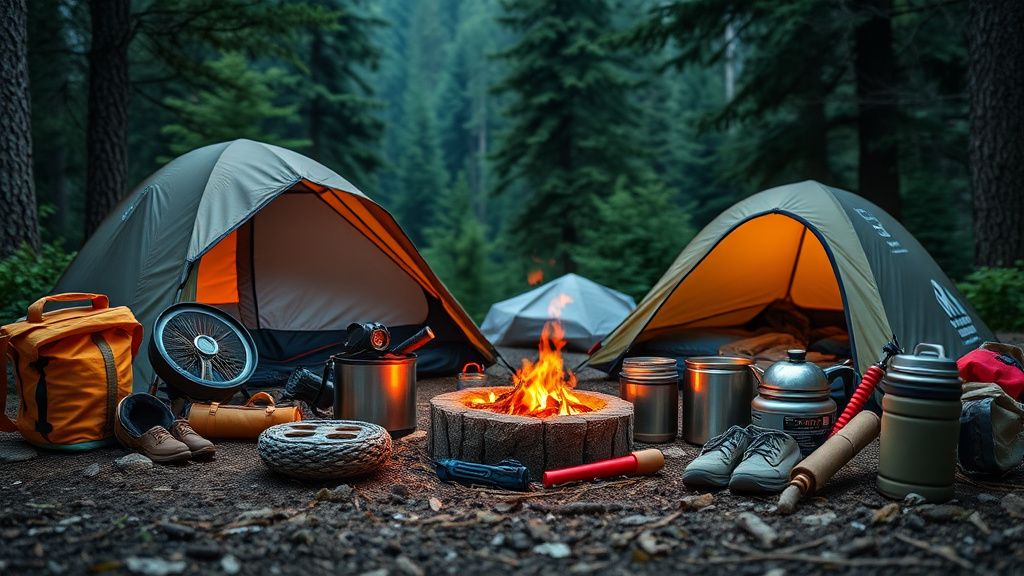
Buying Guide: Choosing the Right Hiking Boots for Your Adventures
Hiking boots are one of the most critical pieces of gear for any outdoor enthusiast. The right pair can make your adventures comfortable and safe, while the wrong choice can lead to blisters, fatigue, or even injuries. With so many options available—ranging from lightweight trail runners to rugged mountaineering boots—it’s essential to understand what works best for your needs.
This guide breaks down the key factors to consider when selecting hiking boots, including types, materials, fit, and essential features.
Types of Hiking Boots
Phone cases · 15% off first order
Phone Case GiftThey pick the model · 2 minutes Code FIRST15GIFT
Not all hiking boots are created equal. The right type depends on the terrain, distance, and load you’ll be carrying.
1. Trail Shoes (Light Hiking Shoes)
- Best for: Day hikes, well-maintained trails, fast-and-light backpacking.
- Features: Lightweight, flexible, low-cut (like sneakers), breathable mesh uppers.
- Pros: Comfortable for short distances, quick-drying, less break-in time.
- Cons: Minimal ankle support, less protection on rough terrain.
2. Hiking Boots (Mid-Weight Boots)
- Best for: Multi-day hikes, moderate backpacking loads, uneven terrain.
- Features: Mid-cut or high-cut for ankle support, durable leather or synthetic uppers, stiffer soles for stability.
- Pros: Good balance of support and weight, versatile for most conditions.
- Cons: Heavier than trail shoes, may require break-in.
3. Backpacking Boots (Heavy-Duty Boots)
- Best for: Long-distance backpacking, heavy loads, rugged or off-trail terrain.
- Features: High-cut for maximum ankle support, full-grain leather or reinforced synthetic uppers, rigid soles for stability.
- Pros: Excellent protection and durability, ideal for rough conditions.
- Cons: Heavy, less breathable, longer break-in period.
4. Mountaineering Boots
- Best for: Technical climbs, snow, ice, and extreme conditions.
- Features: Insulated, stiff soles for crampon compatibility, waterproof and highly durable.
- Pros: Unmatched support and protection in harsh environments.
- Cons: Overkill for casual hiking, expensive, very heavy.
Key Features to Consider
1. Material
- Leather (Full-Grain or Nubuck): Durable, water-resistant, but heavier and less breathable. Best for rough terrain.
- Synthetic (Mesh/Nylon): Lightweight, breathable, dries quickly, but less durable. Ideal for warm-weather hiking.
- Hybrid (Leather + Synthetic): Balances durability and breathability.
2. Waterproofing
- Waterproof Membranes (Gore-Tex, eVent): Essential for wet conditions but can reduce breathability in hot weather.
- Non-Waterproof: Better for dry climates or fast-drying needs.
3. Sole & Traction
- Vibram Outsoles: High-quality rubber for excellent grip on varied terrain.
- Lug Depth: Deeper lugs (4-6mm) provide better traction in mud and loose dirt.
4. Ankle Support
- Higher cuts offer more stability on uneven ground but can feel restrictive on easy trails.
- Low-cut shoes are more flexible but risk ankle rolls on rough terrain.
5. Fit & Comfort
- Toe Room: Ensure a thumb’s width of space in front of your toes to prevent blisters on descents.
- Heel Lock: Your heel should stay firmly in place without slipping.
- Width: Some brands offer wide or narrow options for better fit.
What to Look for When Trying On Hiking Boots
Phone cases · 15% off first order
Titan CasePrecision fit · 2,000+ designs Code FIRST15TIT
- Try Them On Late in the Day – Feet swell during the day, so this ensures a proper fit.
- Wear Hiking Socks – Use the same socks you’d hike in for an accurate fit.
- Walk on an Incline/Decline – Test how your toes feel when going uphill and downhill.
- Check for Pressure Points – Any pinching or rubbing could lead to blisters.
- Consider Orthotics – If you use insoles, bring them when trying boots.
Breaking In Your Boots
Even the best boots need breaking in to avoid discomfort on the trail. Wear them around the house, on short walks, and gradually increase use before a big hike. Leather boots, in particular, may take weeks to fully mold to your feet.
Final Tips
Phone cases · 15% off first order
Phone Cases For CharityEvery case supports a cause Code GIVE10- Match the Boot to Your Trip: A weekend backpacker doesn’t need mountaineering boots, just as a trail runner won’t suffice for a multi-day trek.
- Prioritize Fit Over Brand: A well-known brand won’t help if the fit isn’t right.
- Replace When Worn Out: If the tread is smooth or the midsole feels stiff, it’s time for a new pair.
Choosing the right hiking boots is an investment in your comfort and safety on the trail. By considering your hiking style, terrain, and personal fit, you’ll find the perfect pair for your adventures. Happy hiking!
Our picks worth a closer look
- Folgers Classic Roast Ground Coffee, 48 OzCheck on Amazon → — see current price and specs.
- Amazon Basics AA Performance Alkaline Batteries, 48-CountCheck on Amazon → — see current price and specs.