
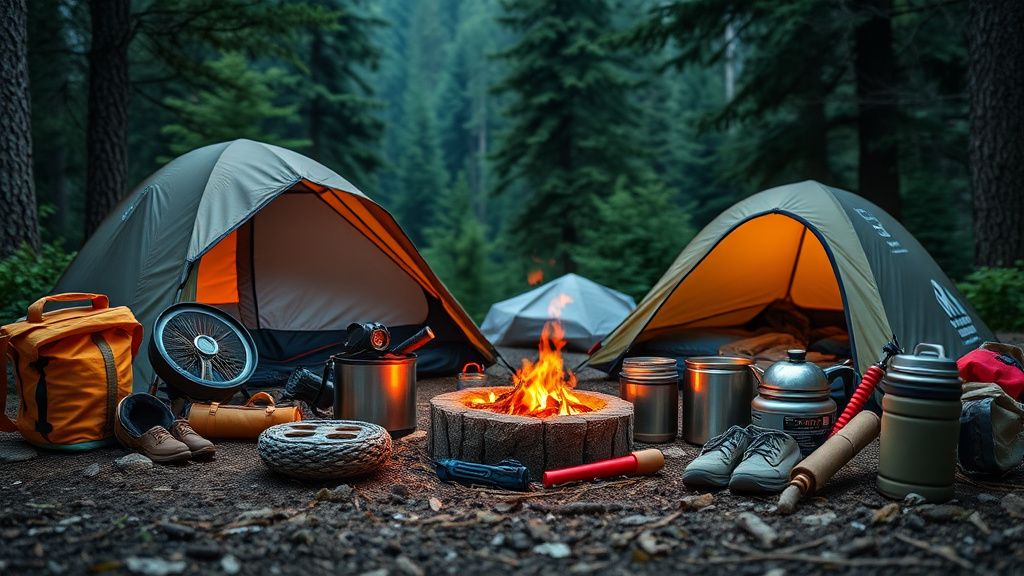
Why Proper Rain Gear is Essential for Backpacking and Hiking
When you’re out on the trail, weather can change in an instant. Rain gear isn’t just about staying dry—it’s about staying safe, comfortable, and prepared. Wet clothing can lead to hypothermia, blisters, and a miserable experience. The right rain gear protects you from the elements while allowing you to move freely and maintain your body temperature.
Types of Rain Gear for Backpacking and Hiking
Phone cases · 15% off first order
Phone Case GiftThey pick the model · 2 minutes Code FIRST15GIFT
1. Rain Jackets
A good rain jacket is the cornerstone of any outdoor rain gear setup. Look for jackets made with waterproof and breathable materials like Gore-Tex, eVent, or other high-performance fabrics. These materials repel water while allowing sweat to escape, preventing you from getting soaked from the inside.
Features to consider:
- Waterproof rating: Measured in millimeters (mm), higher ratings indicate better water resistance.
- Seam sealing: Fully taped seams prevent water from seeping through stitching.
- Hood: A storm hood with an adjustable brim keeps rain out of your face.
- Pit zips: Ventilation zips under the arms help regulate temperature during strenuous activity.
2. Rain Pants
Rain pants are essential for keeping your lower body dry, especially when hiking through wet vegetation or sitting on damp surfaces. Like rain jackets, they should be made from waterproof and breathable materials.
Features to consider:
- Full-length zippers: Allow you to put on or remove pants without taking off your boots.
- Elastic waistband: Ensures a snug fit and comfort.
- Reinforced knees and seat: Adds durability for rugged terrain.
3. Rain Ponchos
Rain ponchos are lightweight and versatile, offering full-body coverage. They’re ideal for ultralight backpackers or those hiking in warmer climates where breathability is less of a concern.
Features to consider:
- Length: Should cover your backpack and extend below your knees.
- Snaps or ties: Help secure the poncho around your body in windy conditions.
- Packed size: Ultra-compact designs save space in your pack.
4. Waterproof Gaiters
Gaiters are essential for keeping your feet dry in wet conditions. They cover the tops of your boots and lower legs, protecting against mud, snow, and rain.
Features to consider:
- Material: Waterproof and abrasion-resistant fabrics like nylon or polyester.
- Closure: Velcro or zipper closures ensure a secure fit.
- Height: Mid-height gaiters are sufficient for most hiking conditions, while taller ones are better for deep snow or mud.
5. Waterproof Backpack Covers
A backpack cover keeps your gear dry during a downpour. Look for a cover that fits snugly over your pack and has reflective strips for visibility in low light.
Features to consider:
- Size: Ensure it’s compatible with your backpack’s volume.
- Elastic hem: Keeps the cover securely in place.
- Durability: Ripstop nylon or polyester resists tears.
6. Waterproof Footwear
While not strictly rain gear, waterproof hiking boots or shoes are crucial for keeping your feet dry. Look for boots with Gore-Tex liners or other waterproof membranes.
Features to consider:
- Breathability: Prevents moisture buildup inside the boot.
- Traction: Vibram soles or similar provide grip on wet surfaces.
- Fit: Ensure they’re comfortable and supportive for long hikes.
What to Look for in Rain Gear
When shopping for rain gear, consider the following factors:
- Waterproofness: Ensure the material has a high waterproof rating and fully taped seams.
- Breathability: Look for fabrics that allow moisture to escape, preventing sweat buildup.
- Weight: Ultralight options are ideal for backpacking, while heavier gear may offer more durability.
- Packability: Gear that compresses easily saves space in your pack.
- Durability: Reinforced areas and high-quality materials ensure longevity.
- Fit: Proper sizing allows for layering and freedom of movement.
Layering Tips for Rainy Weather
Phone cases · 15% off first order
Titan CasePrecision fit · 2,000+ designs Code FIRST15TIT
Rain gear works best when paired with the right layering system. Start with a moisture-wicking base layer to keep sweat away from your skin. Add an insulating mid-layer like a fleece or down jacket for warmth. Finally, top it off with your rain jacket and pants to block wind and rain.
Maintenance and Care
To keep your rain gear performing at its best, follow these care tips:
- Clean regularly: Use a gentle detergent and lukewarm water to remove dirt and oils.
- Reapply DWR: Over time, the durable water repellent (DWR) coating may wear off. Use a spray-on or wash-in treatment to restore it.
- Store properly: Hang your gear to dry completely before storing it in a cool, dry place.
Final Thoughts
Phone cases · 15% off first order
Phone Cases For CharityEvery case supports a cause Code GIVE10Investing in quality rain gear is essential for any backpacking or hiking adventure. Whether you opt for a lightweight poncho or a high-performance rain jacket, prioritize waterproofness, breathability, and durability. With the right gear, you’ll stay dry, comfortable, and ready to tackle any weather the trail throws your way.
Our picks worth a closer look
- Osprey Atmos AG 65 Men’s Backpacking PackCheck on Amazon → — see current price and specs.
- Nalgene 32oz Tritan Wide Mouth BPA Free Water BottleCheck on Amazon → — see current price and specs.
- Folgers Classic Roast Ground Coffee, 48 OzCheck on Amazon → — see current price and specs.
- MSR Hubba NX Solo Backpacking TentCheck on Amazon → — see current price and specs.
- Black Diamond Spot 350 HeadlampCheck on Amazon → — see current price and specs.