
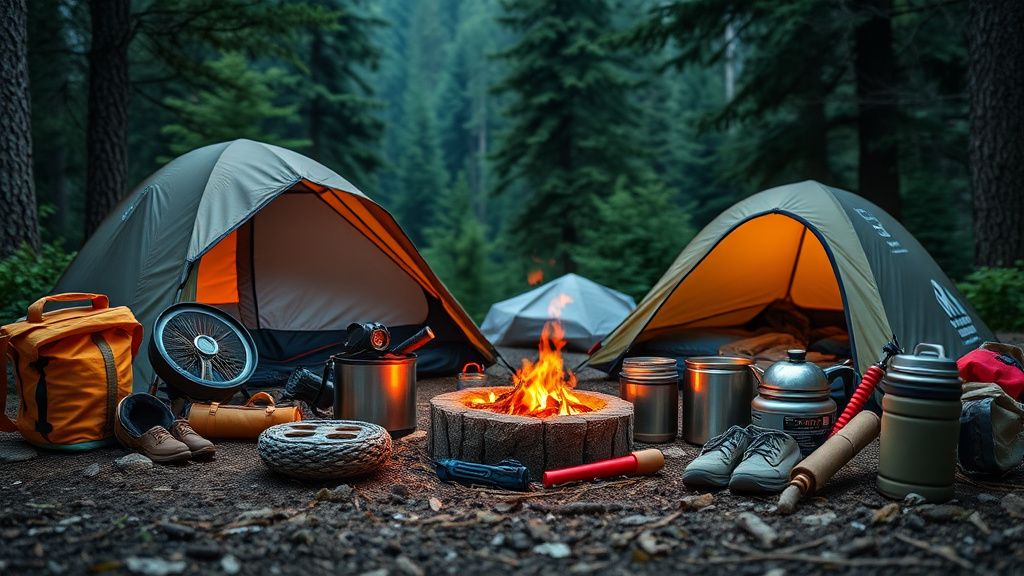
Introduction to Survival Kits for Outdoor Enthusiasts
When heading into the great outdoors, preparation is key. Whether you’re planning a weekend camping trip, a long hike, or an off-grid adventure, having a well-stocked survival kit can make all the difference in an emergency. A survival kit is more than just a collection of tools; it’s your lifeline when things go wrong. This guide will walk you through the essential items every outdoor enthusiast should consider packing, along with tips on what to look for when assembling your kit.
Core Components of a Survival Kit
Phone cases · 15% off first order
Phone Case GiftThey pick the model · 2 minutes Code FIRST15GIFT
1. Shelter and Warmth
Shelter is one of the most critical elements of survival, especially in extreme weather conditions. Your kit should include a compact, lightweight emergency shelter like a space blanket or a bivvy sack. These items reflect body heat and protect against wind and rain. Additionally, pack a fire-starting kit with waterproof matches, a lighter, or a ferrocerium rod. Fire provides warmth, purifies water, and signals for help.
2. Water Purification
Access to clean water is non-negotiable. Include a portable water filter or purification tablets to make natural water sources safe to drink. Look for filters that remove bacteria, protozoa, and even viruses. A collapsible water bottle or hydration bladder is also useful for carrying and storing water.
3. First Aid Supplies
A comprehensive first aid kit is essential. It should include bandages, antiseptic wipes, gauze pads, medical tape, pain relievers, and any personal medications. For longer trips, consider adding items like blister treatment, tweezers, and a small pair of scissors. A first aid manual can also be invaluable if you’re unsure how to treat an injury.
4. Navigation Tools
Getting lost is a common risk in the wilderness. A reliable compass and a detailed topographic map of the area are must-haves. While GPS devices and smartphones are convenient, they can fail due to battery life or poor signal. A backup navigation tool ensures you can find your way even without technology.
5. Multi-Tool or Knife
A high-quality multi-tool or fixed-blade knife is incredibly versatile. Use it for cutting, carving, opening cans, or even as a makeshift screwdriver. Look for tools with features like pliers, scissors, and a saw blade. A knife with a full tang (metal extending through the handle) is more durable for heavy-duty tasks.
6. Illumination
A reliable light source is crucial for nighttime navigation or emergencies. Pack a headlamp or flashlight with extra batteries. LED lights are energy-efficient and provide bright illumination. Some models also come with a strobe mode for signaling rescuers.
7. Emergency Food
High-calorie, non-perishable food items like energy bars, nuts, or dried fruit can sustain you in a pinch. Choose foods that are lightweight, easy to carry, and provide quick energy. Avoid items that require cooking or refrigeration.
8. Signaling Devices
If you’re stranded, signaling for help is vital. Include a whistle, which is louder and more effective than shouting. A signal mirror can reflect sunlight to attract attention from afar. Some survival kits also include flares or a personal locator beacon (PLB) for extreme situations.
9. Cordage and Repair Items
Paracord is a lightweight, strong rope that can be used for building shelters, securing gear, or even as a makeshift tourniquet. Duct tape is another versatile item for repairs or improvisation. Both are compact and easy to pack.
10. Personal Protection
Depending on your location, you may need protection from wildlife or insects. Bear spray is essential in bear country, while insect repellent and a mosquito net can make your trip more comfortable in bug-heavy areas.
What to Look for in a Survival Kit
When assembling or purchasing a survival kit, consider the following factors:
- Portability: Your kit should be lightweight and compact enough to carry without hindering your mobility. Look for items that can be packed into a small pouch or backpack.
- Durability: Choose high-quality materials that can withstand harsh conditions. Waterproof or water-resistant items are particularly important.
- Versatility: Opt for multi-functional tools that can serve multiple purposes, reducing the number of items you need to carry.
- Ease of Use: In an emergency, you may not have time to figure out complicated gadgets. Select tools and items that are intuitive and easy to operate.
- Relevance: Tailor your kit to your specific activities and environment. For example, a desert survival kit will differ from one designed for alpine conditions.
Customizing Your Kit
Phone cases · 15% off first order
Titan CasePrecision fit · 2,000+ designs Code FIRST15TIT
While pre-made survival kits are convenient, they may not meet all your needs. Customizing your kit allows you to include items specific to your activities and environment. For instance, if you’re camping in cold climates, add hand warmers and extra thermal layers. If you’re kayaking, include a waterproof bag for electronics and a bilge pump. Regularly review and update your kit to ensure all items are in good condition and relevant to your current plans.
Conclusion: Be Prepared, Stay Safe
A well-prepared survival kit is an essential companion for any outdoor enthusiast. It provides peace of mind and ensures you’re ready to handle unexpected situations. By focusing on the core components and customizing your kit to fit your needs, you can confidently tackle any adventure. Remember, the best survival kit is the one you have with you when you need it most. Stay safe, and enjoy the great outdoors!
Our picks worth a closer look
Phone cases · 15% off first order
Phone Cases For CharityEvery case supports a cause Code GIVE10- Folgers Classic Roast Ground Coffee, 48 OzCheck on Amazon → — see current price and specs.
- Amazon Basics AA Performance Alkaline Batteries, 48-CountCheck on Amazon → — see current price and specs.