
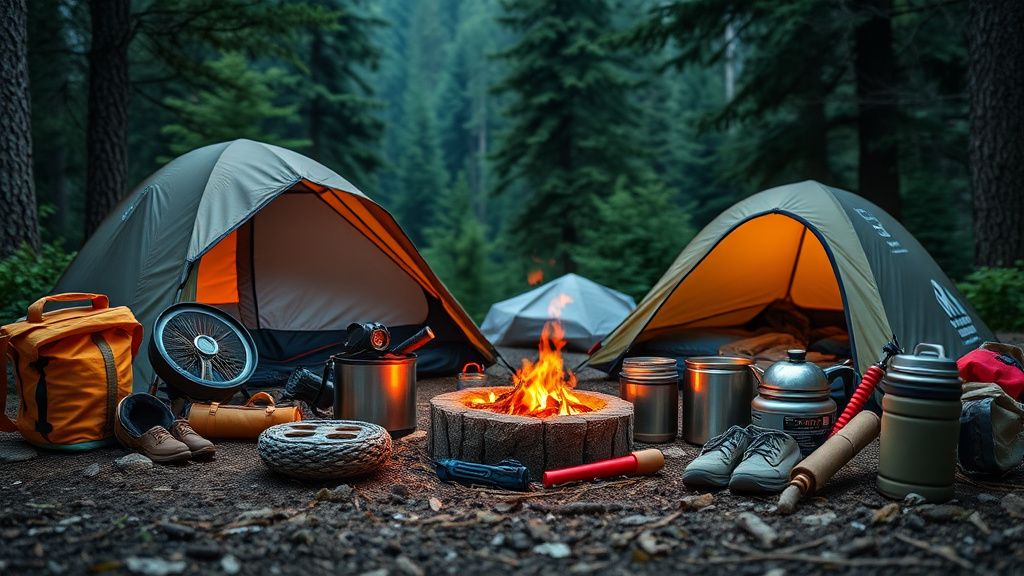
Introduction to Camping Lanterns
Camping lanterns are essential for illuminating your campsite, providing light for cooking, reading, or navigating after dark. With a wide variety of options available, choosing the right lantern can be overwhelming. This guide will help you understand the different types of camping lanterns, their features, and how to select the best one for your needs.
Types of Camping Lanterns
Phone cases · 15% off first order
Phone Case GiftThey pick the model · 2 minutes Code FIRST15GIFT
1. Battery-Powered Lanterns
Battery-powered lanterns are among the most popular options for campers due to their convenience and reliability. They typically use AA, AAA, or D-cell batteries and are available in LED or incandescent models. LED lanterns are more energy-efficient and longer-lasting, making them a preferred choice.
Best for: Casual campers, families, and those who prefer lightweight and easy-to-use options.
2. Rechargeable Lanterns
Rechargeable lanterns are eco-friendly and cost-effective in the long run. They often feature built-in lithium-ion batteries that can be charged via USB, solar panels, or hand cranks. Many models also double as power banks, allowing you to charge your devices.
Best for: Tech-savvy campers and those who prioritize sustainability.
3. Propane Lanterns
Propane lanterns provide bright, warm light and are powered by small propane canisters. They are ideal for cold weather camping because they emit heat as well as light. However, they require careful handling due to open flames and fuel usage.
Best for: Winter camping or large group campsites where bright, consistent light is needed.
4. Solar-Powered Lanterns
Solar-powered lanterns harness energy from the sun, making them an excellent choice for eco-conscious campers. They often feature built-in solar panels and rechargeable batteries. While they are highly sustainable, their performance may vary depending on weather conditions.
Best for: Backpackers and campers who prioritize environmental impact.
5. Candle Lanterns
Candle lanterns provide a soft, ambient glow and are often used for their aesthetic appeal. They are compact and lightweight but offer limited brightness and require replacement candles.
Best for: Minimalist campers or those seeking a cozy, traditional camping experience.
6. Hand-Crank Lanterns
Hand-crank lanterns are manually powered by turning a crank, which generates electricity to light the lantern. They are reliable in emergencies but may require frequent cranking for extended use.
Best for: Emergency preparedness and backup lighting.
Key Features to Consider
Brightness and Light Output
Brightness is measured in lumens, with higher lumens indicating brighter light. For most campsites, a lantern with 100-300 lumens is sufficient. However, larger groups or activities like cooking may require 500+ lumens.
Battery Life and Runtime
Consider how long the lantern will last on a single charge or set of batteries. LED lanterns typically offer longer runtimes, while propane lanterns may require frequent fuel refills.
Durability and Weather Resistance
Look for lanterns with rugged construction and weather-resistant features, such as water resistance or shockproof designs. These are especially important for backcountry camping or adverse weather conditions.
Portability and Weight
If you’re backpacking or hiking, opt for lightweight and compact lanterns that won’t weigh you down. Collapsible designs or lanterns with carrying handles can improve portability.
Additional Features
Some lanterns come with extra features like adjustable brightness settings, color-changing modes, or built-in hooks for hanging. These can enhance convenience and functionality.
What to Look for When Buying a Camping Lantern
Phone cases · 15% off first order
Titan CasePrecision fit · 2,000+ designs Code FIRST15TIT
- Purpose: Determine how you’ll use the lantern—whether for general campsite lighting, cooking, or emergencies.
- Power Source: Choose a power source that suits your camping style and environment (battery, rechargeable, propane, etc.).
- Brightness: Match the lantern’s brightness to your needs, considering the size of your campsite and activities.
- Runtime: Ensure the lantern provides enough runtime for your trip without frequent refueling or recharging.
- Durability: Opt for a lantern that can withstand outdoor conditions, especially if you’re camping in rugged terrain.
- Weight and Size: Consider the lantern’s portability, especially if you’ll be carrying it over long distances.
By understanding the different types of camping lanterns and their features, you can make an informed decision that enhances your outdoor experience. Whether you’re a weekend camper or a seasoned backpacker, the right lantern will ensure your campsite is well-lit and functional, no matter where your adventures take you.
Our picks worth a closer look
- Folgers Classic Roast Ground Coffee, 48 OzCheck on Amazon → — see current price and specs.
- Amazon Basics AA Performance Alkaline Batteries, 48-CountCheck on Amazon → — see current price and specs.