
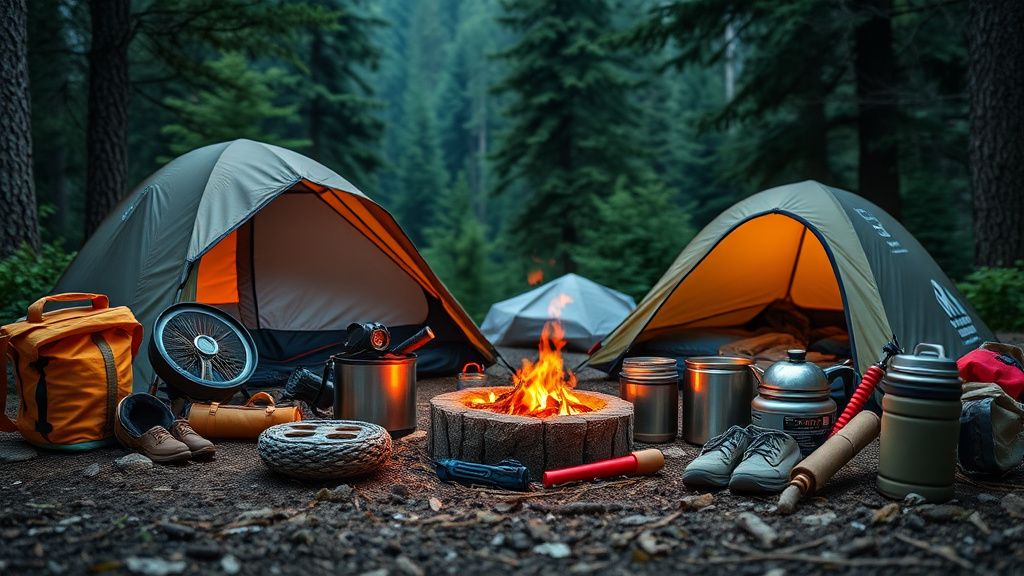
Buying Guide: Understanding Tent Materials and Durability
When shopping for a tent, durability is a top priority. The right materials can mean the difference between a shelter that lasts for years and one that fails when you need it most. This guide breaks down the key components of tent construction—fabrics, poles, and coatings—so you can make an informed choice for your next camping adventure.
Tent Fabrics: Nylon vs. Polyester vs. Canvas
The fabric of your tent determines its weight, weather resistance, and longevity. Here’s a breakdown of the most common options:
Nylon
- Pros: Lightweight, strong for its weight, and highly packable. Ideal for backpacking tents.
- Cons: Absorbs water when untreated, leading to sagging. Requires a waterproof coating (like silicone or polyurethane) for full protection.
- Best for: Ultralight backpackers and thru-hikers who prioritize weight savings.
Polyester
- Pros: More water-resistant than untreated nylon, dries quickly, and resists UV degradation better.
- Cons: Slightly heavier and less stretchy than nylon, which can affect stability in high winds.
- Best for: Car campers and festival-goers who want a balance of durability and weather resistance.
Canvas
- Pros: Extremely durable, breathable, and naturally resistant to UV rays. Performs well in both hot and cold climates.
- Cons: Heavy, bulky, and requires regular maintenance (e.g., re-waterproofing).
- Best for: Base campers, overlanders, or those in extreme climates needing long-term shelter.
Tent Coatings and Waterproofing
Phone cases · 15% off first order
Phone Case GiftThey pick the model · 2 minutes Code FIRST15GIFT
A tent’s ability to keep you dry depends on its coatings. Look for these terms:
- Polyurethane (PU) Coating: Common and affordable, provides good waterproofing but can degrade over time with UV exposure.
- Silicone Coating: More durable and lightweight than PU, excellent for high-end backpacking tents. Often used on the rainfly.
- Double-Coated Fabrics: Combine PU and silicone for enhanced durability. Found in premium 4-season tents.
Hydrostatic Head Rating: Measures waterproofing (e.g., 1,500mm is good for light rain; 3,000mm+ for heavy storms).
Tent Poles: Materials and Designs
Poles provide structure and wind resistance. The two main materials are:
Aluminum Poles
- Pros: Lightweight, strong, and flexible (less likely to snap in high winds).
- Types:
- DAC Featherlite: High-end, used in mountaineering tents.
- Easton Aluminum: Durable and common in mid-range tents.
Fiberglass Poles
- Pros: Affordable and decent for calm conditions.
- Cons: Heavier, prone to splintering, and less reliable in storms.
- Best for: Budget car-camping tents or fair-weather use.
Pole Designs:
- Dome Tents: Simple, freestanding, and wind-resistant.
- Tunnel Tents: Lightweight but require staking for stability.
- Geodesic Tents: Multiple crossing poles for extreme weather.
Floor and Seam Construction
Phone cases · 15% off first order
Titan CasePrecision fit · 2,000+ designs Code FIRST15TIT
A weak floor or poorly sealed seams can ruin a tent’s waterproofing.
- Floor Material: Look for thick denier ratings (e.g., 70D nylon) for durability. Bathtub-style floors (raised edges) prevent ground moisture.
- Seam Taping: Fully taped seams are essential for keeping water out. Cheaper tents may have spotty taping or none at all.
What to Look for in a Durable Tent
- Fabric Denier (D): Higher numbers (e.g., 40D, 70D) mean thicker, tougher fabric.
- Reinforced Stress Points: Look for extra stitching or bar-tacking at zippers and pole attachments.
- Ventilation: Mesh panels reduce condensation, prolonging fabric life.
- Zipper Quality: Rust-resistant, durable zippers (e.g., YKK) prevent failures.
- Warranty: A lifetime or multi-year warranty often signals better craftsmanship.
Final Thoughts
Phone cases · 15% off first order
Phone Cases For CharityEvery case supports a cause Code GIVE10Durability comes down to material choices and construction. Backpackers should prioritize lightweight yet strong fabrics like silicone-coated nylon, while car campers might opt for rugged polyester or canvas. Always check the waterproof ratings, pole materials, and seam sealing to ensure your tent stands up to the elements.
By understanding these key factors, you’ll invest in a tent that offers reliable shelter trip after trip. Happy camping!
Our picks worth a closer look
- Folgers Classic Roast Ground Coffee, 48 OzCheck on Amazon → — see current price and specs.
- MSR Hubba NX Solo Backpacking TentCheck on Amazon → — see current price and specs.
- Amazon Basics AA Performance Alkaline Batteries, 48-CountCheck on Amazon → — see current price and specs.