
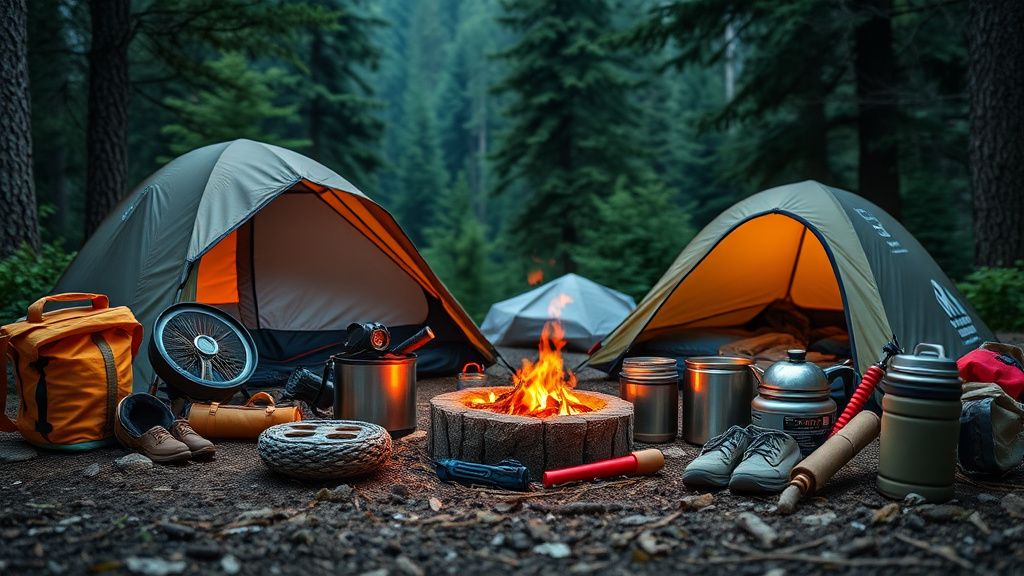
Why a Camping First Aid Kit is Essential
When venturing into the outdoors, accidents can happen unexpectedly. Whether it’s a minor scrape, a sprained ankle, or an insect bite, having a well-stocked first aid kit can mean the difference between a manageable situation and a serious emergency. A camping first aid kit is not just a convenience—it’s a necessity for ensuring safety and peace of mind during your adventures.
Unlike standard household first aid kits, camping-specific kits are designed to address outdoor-specific injuries and conditions. They’re compact, portable, and tailored to handle issues like dehydration, hypothermia, and wildlife encounters.
Essential Items for Your Camping First Aid Kit
Phone cases · 15% off first order
Phone Case GiftThey pick the model · 2 minutes Code FIRST15GIFT
Bandages and Wound Care
- Adhesive Bandages (Various Sizes): Perfect for covering minor cuts, blisters, or scrapes. Waterproof options are ideal for outdoor use.
- Sterile Gauze Pads and Medical Tape: For larger wounds that require more coverage.
- Butterfly Bandages: Useful for closing deeper cuts until professional medical help is available.
- Antiseptic Wipes or Solution: To clean wounds and prevent infection. Hydrogen peroxide or iodine solutions are common choices.
Tools and Equipment
- Tweezers: Essential for removing splinters, thorns, or ticks.
- Scissors: For cutting gauze, tape, or clothing in emergencies. Look for compact, durable models.
- Safety Pins: Handy for securing bandages or makeshift slings.
- Thermometer: A compact digital thermometer can help monitor for fever or signs of infection.
Medications and Treatments
- Pain Relievers: Ibuprofen or acetaminophen for headaches, muscle pain, or minor injuries.
- Antihistamines: For allergic reactions or insect stings. Diphenhydramine (Benadryl) is a popular choice.
- Antibiotic Ointment: To prevent infection in cuts and scrapes.
- Electrolyte Tablets or Powder: Helps combat dehydration, especially in hot weather.
- Anti-Diarrheal Medication: Digestive issues can arise from contaminated water or unfamiliar foods.
Emergency Supplies
- Emergency Blanket: A lightweight, reflective blanket can prevent hypothermia in cold conditions.
- CPR Face Shield: A safety barrier for administering CPR in emergencies.
- Tourniquet: For severe bleeding, though it should only be used as a last resort.
- Burn Cream or Gel: For treating minor burns from campfires or cooking accidents.
Specialized Items for Outdoor Scenarios
- Insect Repellent: Prevents bites from mosquitoes, ticks, and other pests.
- Snake Bite Kit: Includes tools for venom extraction and wound care if you’re in snake-prone areas.
- Moleskin or Blister Pads: Protects against blisters caused by hiking boots or prolonged walking.
- Water Purification Tablets: Ensures access to clean drinking water in emergencies.
Organizing Your First Aid Kit
A well-organized kit ensures you can quickly find what you need in an emergency. Consider using a durable, waterproof container or pouch with compartments to keep items sorted. Ziplock bags can also help separate categories like wound care, medications, and tools.
Labeling items clearly and including a printed first aid guide can be invaluable, especially for less experienced campers. Some kits come with a checklist to help you restock after each trip.
What to Look for in a Camping First Aid Kit
Phone cases · 15% off first order
Titan CasePrecision fit · 2,000+ designs Code FIRST15TIT
When purchasing or assembling a camping first aid kit, prioritize the following features:
- Compactness and Portability: The kit should be lightweight and easy to carry, whether in a backpack or vehicle.
- Durability: Look for materials that can withstand outdoor conditions, such as water-resistant fabric or hard-shell cases.
- Comprehensiveness: Ensure the kit includes items tailored to outdoor activities and potential emergencies.
- Ease of Use: Clear labeling, organized compartments, and an included guide make the kit user-friendly.
- Customizability: Choose a kit that allows you to add or remove items based on your specific needs and trip duration.
Maintaining and Restocking Your Kit
Regularly check your first aid kit to ensure all items are in good condition and within their expiration dates. Replace used or expired items after each trip, and adjust the contents based on the length and nature of your next adventure. For example, a weekend camping trip may require fewer supplies than a week-long hiking expedition.
Conclusion
Phone cases · 15% off first order
Phone Cases For CharityEvery case supports a cause Code GIVE10A well-prepared camping first aid kit is an indispensable part of your outdoor gear. By including essential items tailored to outdoor scenarios and maintaining it regularly, you can ensure you’re ready to handle minor injuries and emergencies. Whether you’re a seasoned camper or a beginner, investing time in assembling or selecting the right kit will enhance your safety and confidence in the wilderness.