
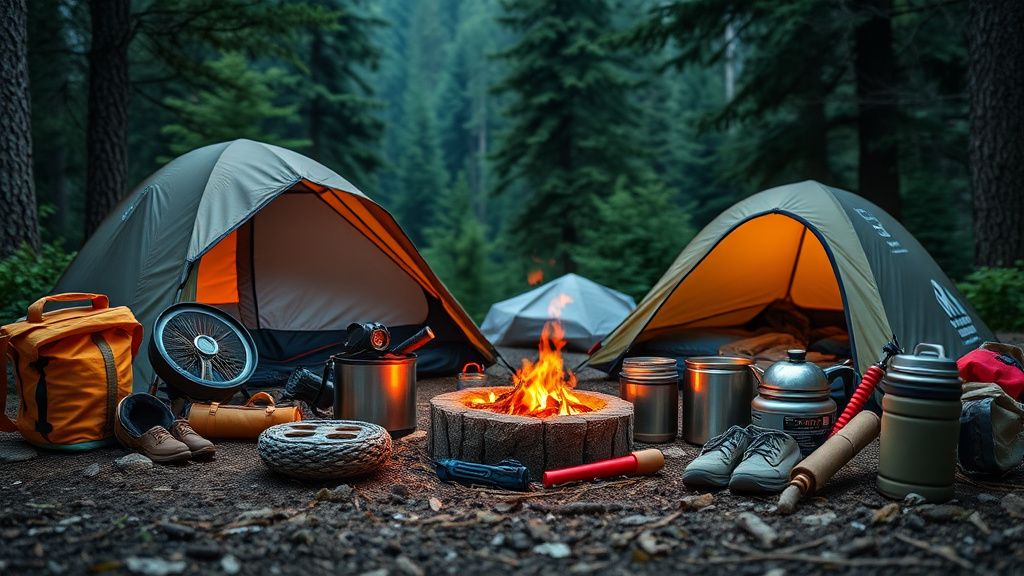
Guide to Different Types of Campfires: From Star to Pagoda
A well-built campfire is essential for cooking, warmth, and ambiance in the outdoors. Different fire lay techniques serve unique purposes, from long-lasting heat to efficient cooking. This guide explores the most effective campfire types, their uses, and key features to consider when choosing the right one for your needs.
The Teepee Fire
Structure and Benefits
The teepee fire is one of the most recognizable campfire styles, shaped like a cone with kindling at the center and larger logs leaning inward. It ignites quickly due to excellent airflow and produces a strong flame, making it ideal for:
- Fast heat generation
- Social gatherings (bright, tall flames)
- Quick boiling or roasting
Best Use Cases
- Cold nights when immediate warmth is needed
- Situations requiring fast ignition (emergency heat)
What to Look For
- Dry, thin kindling for quick lighting
- Gradually increasing log size to sustain the fire
- A stable base to prevent collapsing
The Log Cabin Fire
Phone cases · 15% off first order
Phone Case GiftThey pick the model · 2 minutes Code FIRST15GIFT
Structure and Benefits
The log cabin fire is built by stacking logs in alternating perpendicular layers, creating a square or rectangular structure. This design promotes:
- Long burn time (good for overnight warmth)
- Steady, even heat (ideal for Dutch oven cooking)
- Minimal maintenance once lit
Best Use Cases
- Extended campouts where consistent heat is needed
- Cooking meals requiring stable temperatures
What to Look For
- Uniformly sized logs for even stacking
- A small teepee or tinder bundle in the center for ignition
- Sufficient space between logs for airflow
The Star Fire (Indian Fire)
Structure and Benefits
The star fire arranges logs like spokes of a wheel, feeding them inward as they burn. This method:
- Conserves fuel (only burns what’s needed)
- Provides adjustable heat by pushing/pulling logs
- Works well in low-wind conditions
Best Use Cases
- Situations with limited firewood
- Long-duration fires for warmth or cooking
What to Look For
- Dry, thick logs that burn slowly
- A central ignition point (tinder bundle)
- A flat, stable surface to prevent rolling
The Lean-To Fire
Phone cases · 15% off first order
Titan CasePrecision fit · 2,000+ designs Code FIRST15TIT
Structure and Benefits
A lean-to fire uses a large log as a windbreak, with kindling and smaller logs leaned against it. This design:
- Shields flames from wind
- Focuses heat in one direction (great for solo campers)
- Requires minimal fuel
Best Use Cases
- Windy conditions
- Solo trips where directional heat is sufficient
What to Look For
- A sturdy base log to act as a wind barrier
- Dry, flexible kindling to lean effectively
- A sheltered location to enhance wind protection
The Dakota Fire Hole
Structure and Benefits
This underground fire pit consists of two connected holes: one for the fire and another for airflow. Benefits include:
- Low visibility (good for stealth camping)
- Wind resistance
- Efficient burning with minimal smoke
Best Use Cases
- Dispersed camping where minimal impact is desired
- Windy or dry environments
What to Look For
- Soft, diggable soil (avoid rocky terrain)
- Proper spacing between holes (about 12 inches apart)
- A flat area to prevent collapse
The Pyramid Fire (Upside-Down Fire)
Phone cases · 15% off first order
Phone Cases For CharityEvery case supports a cause Code GIVE10Structure and Benefits
The pyramid fire stacks logs in layers, largest at the bottom and smallest on top. It burns downward, offering:
- Long-lasting heat (up to several hours)
- Minimal tending required
- Clean burn with little smoke
Best Use Cases
- Overnight heating
- Low-maintenance fires
What to Look For
- Well-seasoned, thick logs for the base
- A tight stacking arrangement to prevent early collapse
- A small ignition source at the top
The Pagoda Fire
Structure and Benefits
The pagoda fire uses crisscrossed log layers, resembling a pagoda roof. It provides:
- High heat output
- Excellent airflow for efficient burning
- Aesthetic appeal
Best Use Cases
- Group camping with high heat demand
- Cooking over open flames
What to Look For
- Uniformly split logs for stable stacking
- A central ignition point
- A wide base to support the structure
What to Look for in a Campfire Type
When choosing a campfire style, consider:
- Purpose (cooking, warmth, or light)
- Fuel availability (limited wood vs. abundant supply)
- Weather conditions (wind, rain, or cold)
- Burn time needed (short-term vs. all-night)
- Skill level (some fires require precise construction)
By matching the fire type to your needs, you’ll maximize efficiency, safety, and enjoyment in the outdoors. Always follow Leave No Trace principles and check local fire regulations before building a campfire.