
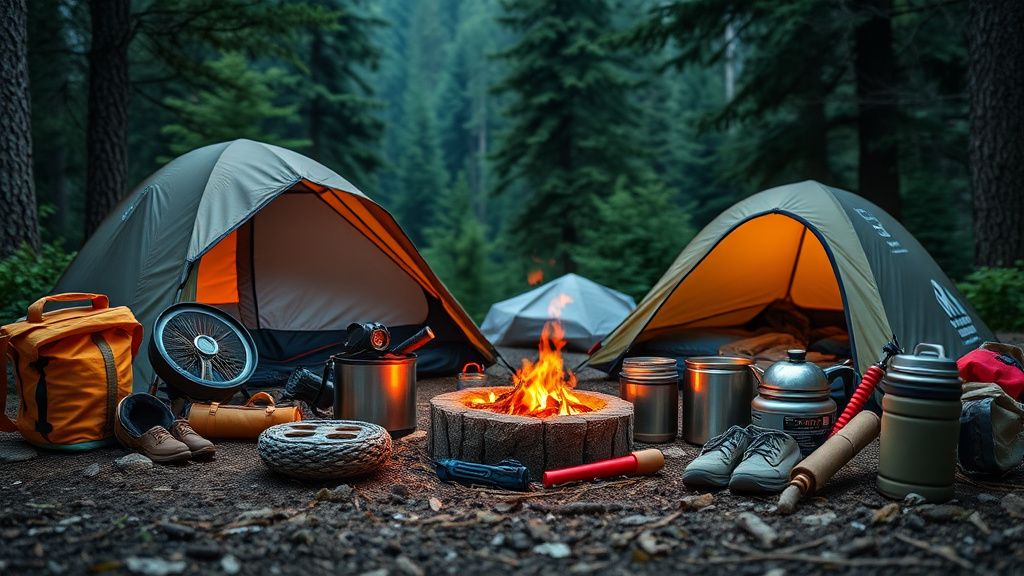
Understanding the Basics of Outdoor Apparel
When venturing into the great outdoors, your clothing is your first line of defense against the elements. Whether you’re hiking, camping, or backpacking, the right apparel can make the difference between comfort and misery. Outdoor apparel is designed to protect you from weather conditions, regulate body temperature, and provide mobility. Understanding the different layers and their functions is essential for making informed choices.
Base Layers: The Foundation of Comfort
Phone cases · 15% off first order
Phone Case GiftThey pick the model · 2 minutes Code FIRST15GIFT
Base layers are the closest to your skin and play a critical role in moisture management. They wick sweat away from your body, keeping you dry and comfortable. Base layers come in various materials, including merino wool, synthetic fibers, and blends.
- Merino Wool: Naturally moisture-wicking, odor-resistant, and temperature-regulating. Ideal for cold weather but also performs well in milder conditions.
- Synthetic Materials: Lightweight, quick-drying, and affordable. Best for high-intensity activities or wet environments.
- Blends: Combine the benefits of wool and synthetics, offering durability and comfort.
What to Look For: Choose a base layer that fits snugly without restricting movement. Look for flatlock seams to prevent chafing and consider the weight (lightweight for summer, midweight for spring/fall, heavyweight for winter).
Mid Layers: Insulation for Warmth
Mid layers provide insulation by trapping body heat. They are worn over base layers and under outer layers. Common mid-layer options include fleece jackets, down jackets, and synthetic insulated jackets.
- Fleece Jackets: Soft, breathable, and quick-drying. Great for moderate activities in cool weather.
- Down Jackets: Exceptionally warm and lightweight, but lose insulating properties when wet. Ideal for cold, dry conditions.
- Synthetic Insulated Jackets: Retain warmth even when wet and dry quickly. Suitable for wet or unpredictable climates.
What to Look For: Consider the warmth-to-weight ratio and packability. Ensure the mid layer fits comfortably over your base layer without being too bulky.
Outer Layers: Protection from Wind and Rain
Phone cases · 15% off first order
Titan CasePrecision fit · 2,000+ designs Code FIRST15TIT
Outer layers shield you from wind, rain, and snow. They are typically waterproof or water-resistant and windproof. The two main types are hardshell jackets and softshell jackets.
- Hardshell Jackets: Fully waterproof and windproof, designed for harsh weather. Often made with Gore-Tex or similar membranes.
- Softshell Jackets: Water-resistant and breathable, offering more flexibility and comfort. Better for mild or dry conditions.
What to Look For: Look for a jacket with sealed seams, adjustable cuffs, and a hood that fits over a helmet if needed. Ventilation features like pit zips can enhance breathability.
Pants: Mobility and Protection
Outdoor pants are designed for durability, comfort, and protection. They come in various styles, including hiking pants, softshell pants, and waterproof pants.
- Hiking Pants: Lightweight, quick-drying, and often have stretch for mobility. Some include UPF protection for sun exposure.
- Softshell Pants: Water-resistant and windproof, offering warmth and flexibility. Great for cooler weather.
- Waterproof Pants: Fully waterproof, often worn over other pants in wet conditions. Essential for rain or snow.
What to Look For: Opt for pants with articulated knees, reinforced areas, and adjustable waistbands. Convertible pants with zip-off legs are versatile for changing conditions.
Footwear: The Key to Comfortable Exploration
Phone cases · 15% off first order
Phone Cases For CharityEvery case supports a cause Code GIVE10Your footwear is arguably the most important piece of outdoor gear. The right boots or shoes provide support, traction, and protection.
- Hiking Boots: Offer ankle support and durability. Best for rugged terrain and heavy loads.
- Trail Running Shoes: Lightweight and flexible, ideal for fast-paced hikes on well-maintained trails.
- Approach Shoes: A hybrid between hiking boots and climbing shoes, designed for technical terrain.
What to Look For: Ensure a proper fit with enough room for your toes. Look for Vibram or similar rubber soles for grip and consider waterproofing for wet conditions.
Accessories: Enhancing Comfort and Safety
Accessories like hats, gloves, and socks are often overlooked but play a vital role in outdoor comfort.
- Hats: A wide-brimmed hat protects against sunburn, while a beanie provides warmth in cold weather.
- Gloves: Insulated gloves keep hands warm, while lightweight gloves offer dexterity for tasks.
- Socks: Merino wool socks are moisture-wicking and prevent blisters.
What to Look For: Choose accessories that complement your activity and weather conditions. Prioritize moisture-wicking and quick-drying materials.
What to Look For in Outdoor Apparel
- Material: Select fabrics that match your activity and weather conditions (e.g., merino wool for cold weather, synthetics for wet climates).
- Fit: Ensure layers fit comfortably without restricting movement. Snug base layers, mid layers that allow layering, and outer layers with adjustable features.
- Features: Look for practical details like ventilation zips, adjustable hoods, and reinforced areas.
- Durability: Choose quality materials and construction to withstand the rigors of outdoor activities.
- Versatility: Opt for pieces that can adapt to changing conditions, such as convertible pants or multi-use jackets.
By carefully selecting each layer and accessory, you can create a functional and comfortable outdoor wardrobe tailored to your needs. Whether you’re tackling a mountain trail or setting up camp in the woods, the right apparel ensures you stay prepared for whatever nature throws your way.
Our picks worth a closer look
- Black Diamond Spot 350 HeadlampCheck on Amazon → — see current price and specs.