
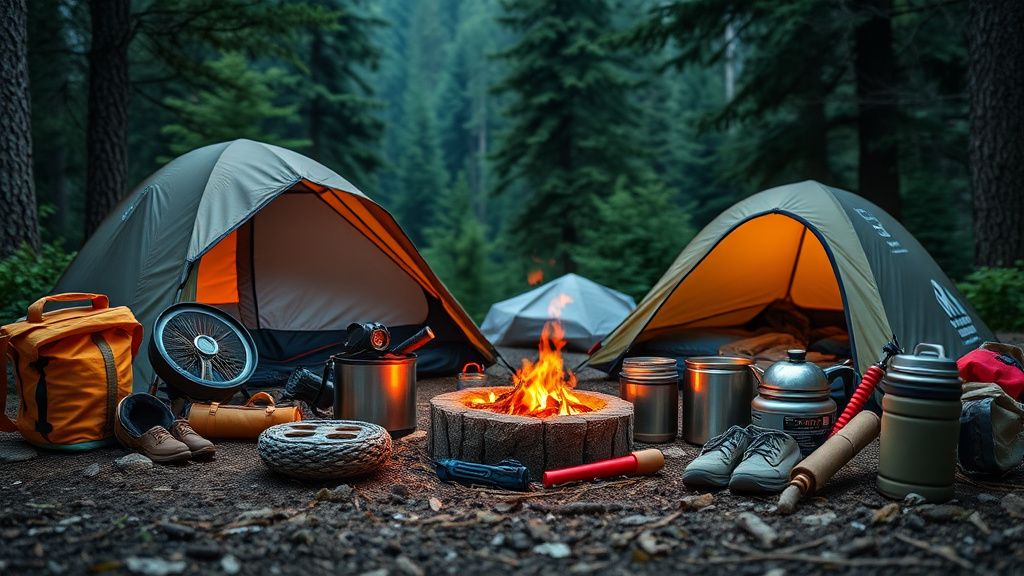
How to Build a Leave No Trace Campfire: Principles and Practice
A campfire is a quintessential part of the outdoor experience, providing warmth, light, and a place to gather. However, irresponsible fire-building can harm ecosystems and leave lasting scars. By following Leave No Trace (LNT) principles, you can enjoy a campfire while minimizing your impact. This guide covers the best practices for building a sustainable campfire, including gear recommendations and what to look for when selecting tools.
Understanding Leave No Trace Fire Principles
Phone cases · 15% off first order
Phone Case GiftThey pick the model · 2 minutes Code FIRST15GIFT
Leave No Trace emphasizes responsible fire use to protect natural areas. Key principles include:
- Use Existing Fire Rings – Whenever possible, reuse established fire rings to avoid creating new scars.
- Keep Fires Small – A small fire is easier to control and leaves less impact.
- Burn Only Downed Wood – Never cut live trees or branches; use dead, fallen wood no thicker than your wrist.
- Burn Completely to Ash – Ensure all wood is fully burned to minimize residue.
- Scatter Cooled Ashes – Once cold, disperse ashes widely to help them decompose naturally.
Choosing the Right Location
If no established fire ring exists, follow these steps:
- Check Regulations – Some areas prohibit fires due to drought or high fire risk. Always verify local rules.
- Select a Durable Surface – Sand, gravel, or bare mineral soil is best. Avoid vegetation or organic soil.
- Keep Away from Overhangs – Fires should be at least 15 feet from tents, trees, and flammable materials.
- Use a Fire Pan or Mound Fire – Portable fire pans (like stainless steel pans) or a mound of mineral soil (6-8 inches thick) can prevent ground scarring.
Gathering the Right Wood
Phone cases · 15% off first order
Titan CasePrecision fit · 2,000+ designs Code FIRST15TIT
The type of wood you burn affects both fire quality and environmental impact:
- Downed and Dead Wood Only – Look for branches already on the ground.
- Avoid Wet or Rotten Wood – These produce excessive smoke and burn poorly.
- Use Small, Manageable Pieces – Break wood into lengths under 12 inches for better control.
A folding saw (such as a compact pruning saw) or a lightweight hatchet can help process wood efficiently without damaging live trees.
Building the Fire
Fire Lay Techniques
Different fire lays serve different purposes:
- Teepee Fire – Best for quick ignition and concentrated heat. Arrange small tinder in the center, then stack kindling in a cone shape.
- Log Cabin Fire – Provides a stable, long-lasting flame. Place two larger logs parallel, then stack two more perpendicularly, leaving space for airflow.
- Lean-To Fire – Ideal for windy conditions. Place a larger log as a windbreak, then lean kindling against it.
Fire Starters
Avoid accelerants like lighter fluid. Instead, use:
- Natural Tinder – Dry grass, birch bark, or pine needles.
- Commercial Fire Starters – Look for eco-friendly options like wax-coated wood shavings or compressed sawdust cubes.
- Ferrocerium Rods – A reliable spark-based ignition method that works even in damp conditions.
Maintaining and Extinguishing the Fire
Phone cases · 15% off first order
Phone Cases For CharityEvery case supports a cause Code GIVE10Keeping It Controlled
- Never Leave Unattended – Even a small fire can spread quickly.
- Use a Fire-Resistant Glove – Helps adjust logs safely.
- Keep Water Nearby – A collapsible bucket or large water bottle is essential for emergencies.
Proper Extinguishing
- Drown the Fire – Pour water slowly, stirring ashes to ensure all embers are soaked.
- Check for Heat – Hold your hand near the ashes to confirm they’re cold.
- Scatter Ashes – Once cool, disperse them widely over mineral soil.
Alternatives to Traditional Fires
If fires are restricted or you want to minimize impact, consider:
- Portable Camp Stoves – Lightweight propane or butane stoves (like canister stoves) provide cooking heat without a fire.
- Solar-Powered Lanterns – For light, use LED lanterns with rechargeable batteries.
- Fire Pans – A raised metal pan (like a stainless steel baking tray) contains flames and prevents ground damage.
What to Look for in Leave No Trace Fire Gear
When selecting tools for a low-impact campfire, prioritize:
- Compact and Lightweight – Folding saws, small hatchets, and portable fire pans should be easy to carry.
- Durable Materials – Stainless steel or titanium resists corrosion and lasts longer.
- Eco-Friendly Fire Starters – Avoid petroleum-based products; opt for natural or biodegradable options.
- Multi-Function Tools – A multi-tool with a saw blade can reduce the need for separate tools.
Final Thoughts
A Leave No Trace campfire is about balance—enjoying the tradition while protecting the wilderness. By choosing the right location, using sustainable materials, and properly extinguishing your fire, you can minimize your footprint. Whether you opt for a small wood fire or a stove alternative, responsible practices ensure future campers can enjoy the same pristine landscapes.
By following these guidelines and investing in the right gear, you can build a campfire that aligns with LNT principles—keeping the outdoors wild and beautiful for years to come.