
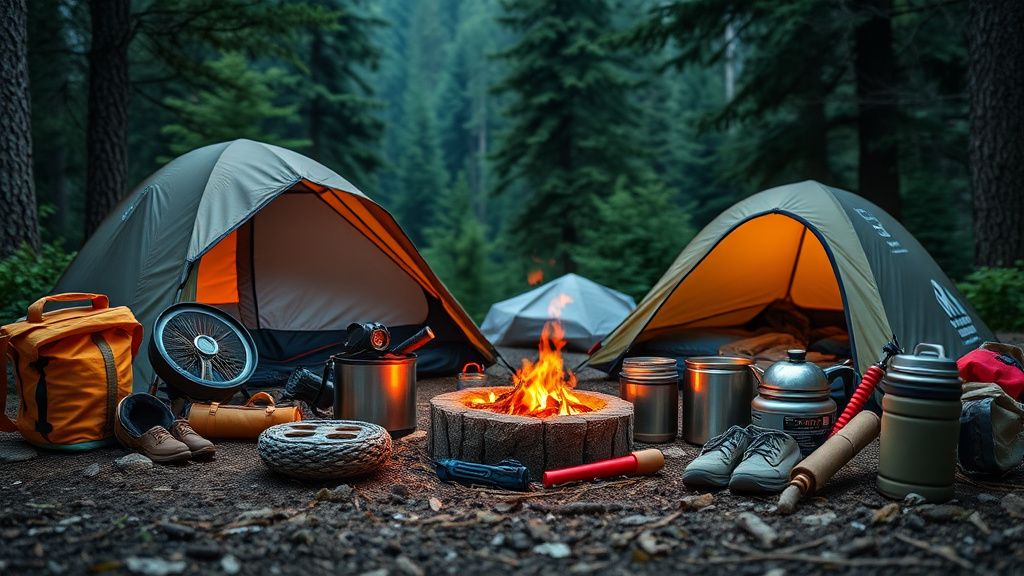
Choosing the Right Firewood
The foundation of any successful campfire starts with the right fuel. When selecting firewood, aim for dry, seasoned wood that’s been cut into manageable sizes. Hardwoods like oak, maple, or hickory burn longer and hotter, while softwoods like pine or cedar ignite quickly but burn faster. Avoid green or damp wood, as it produces excessive smoke and struggles to catch flame.
If you’re camping in a rainy environment, look for dead branches still attached to trees, as they’re often drier than those on the ground. You can also bring your own firewood, but check local regulations, as some areas prohibit transporting wood to prevent the spread of pests.
Essential Fire-Starting Tools
Phone cases · 15% off first order
Phone Case GiftThey pick the model · 2 minutes Code FIRST15GIFT
Having the right tools can make lighting a campfire much easier, especially in wet conditions. Here are some must-haves:
- Firestarter Cubes: These compact, wax-based cubes are waterproof and ignite quickly. They’re perfect for getting damp wood to catch flame.
- Ferrocerium Rods: Also known as ferro rods, these produce sparks even when wet and are highly durable. Pair them with a striker for best results.
- Waterproof Matches or Lighters: Look for stormproof matches or windproof lighters designed to work in adverse weather conditions.
- Firestarter Paste: This gel-like substance can be applied directly to wood or kindling to help it ignite more easily.
Building the Fire Structure
A well-structured fire ensures efficient burning and minimizes smoke. Here’s how to build one:
- Clear the Area: Choose a designated fire pit or clear a 10-foot radius of debris. Use rocks or a metal fire ring to contain the flames.
- Lay a Base: Place a layer of dry kindling (small twigs, bark, or wood shavings) at the bottom. If it’s raining, shield the area with a tarp or umbrella while you work.
- Use the Teepee or Log Cabin Method:
- Teepee: Arrange small sticks in a cone shape around the kindling, leaving space for airflow.
- Log Cabin: Stack larger pieces of wood in a square frame, leaving gaps for ventilation.
- Add Firestarter: Place your firestarter cube, paste, or other ignition source in the center of the structure.
Lighting the Fire in Wet Conditions
Phone cases · 15% off first order
Titan CasePrecision fit · 2,000+ designs Code FIRST15TIT
Rain adds an extra layer of difficulty, but these tips can help:
- Use a Windbreak: Shield the fire area with a portable windbreak or large rocks to protect it from rain and wind.
- Dry Kindling: Carry a small stash of dry kindling in a waterproof bag or container. You can also scrape off wet bark to expose drier wood underneath.
- Start Small: Focus on igniting the driest materials first. Once the fire is established, add damp wood gradually, placing it near the flames to dry before it burns.
Maintaining and Extinguishing the Fire
Once your fire is burning, keep it safe and efficient:
- Add Wood Gradually: Avoid smothering the flames by adding wood slowly and ensuring proper airflow.
- Monitor Wind: Keep an eye on wind direction and strength to prevent sparks from spreading.
- Extinguish Completely: When done, douse the fire with water, stir the ashes, and repeat until everything is cool to the touch. Never leave a fire unattended.
What to Look for in Fire-Starting Gear
Phone cases · 15% off first order
Phone Cases For CharityEvery case supports a cause Code GIVE10When shopping for campfire tools, prioritize durability, reliability, and ease of use. Here’s a quick checklist:
- Firestarters: Opt for waterproof and long-burning options like firestarter cubes or paste.
- Ignition Tools: Choose ferro rods or stormproof matches for wet conditions.
- Portability: Compact and lightweight tools are ideal for camping.
- Safety Features: Look for tools with ergonomic handles and protective cases to prevent accidents.
By following these tips and using the right gear, you can light a campfire safely and efficiently, even in challenging weather conditions. Happy camping!