
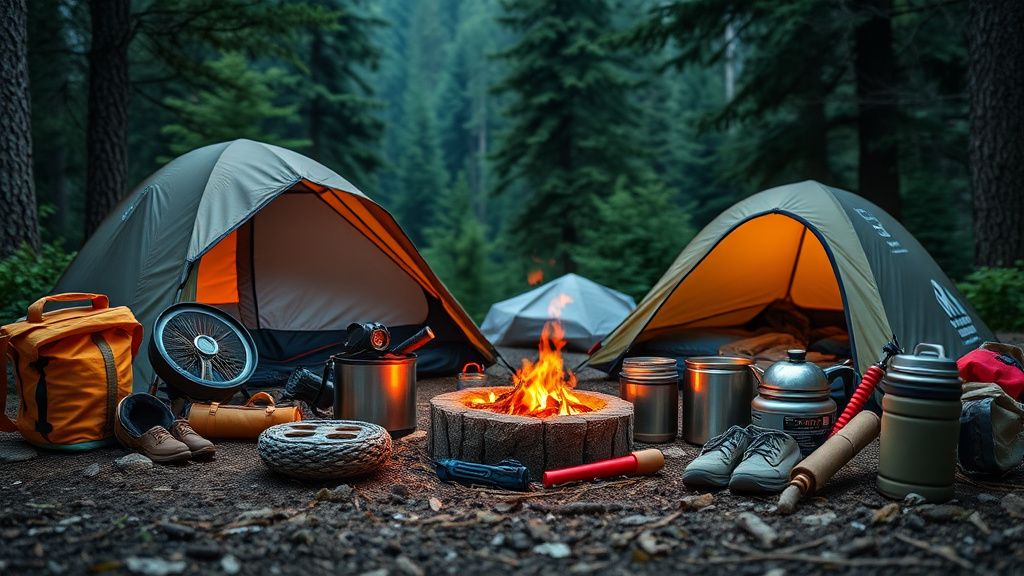
The 8 Best Water Filters and Purifiers for Backpacking
When you’re miles from civilization, clean water is non-negotiable. Backpacking water filters and purifiers remove harmful bacteria, protozoa, and viruses, ensuring safe hydration on the trail. Whether you’re filtering from a mountain stream or purifying murky pond water, the right gear can mean the difference between a refreshing drink and a nasty bout of giardia.
Here are the best water filters and purifiers for backpacking, along with key features to consider before buying.
1. Straw-Style Filters
Straw filters are lightweight, compact, and ideal for solo hikers who want to drink directly from water sources. These filters typically remove bacteria and protozoa but not viruses.
- Best for: Ultralight backpackers, emergency kits
- Key features: No setup required, fast flow rate, minimal maintenance
- Limitations: Not ideal for group use, limited to drinking directly from the source
2. Squeeze Filters
Phone cases · 15% off first order
Phone Case GiftThey pick the model · 2 minutes Code FIRST15GIFT
Squeeze filters use a hand-operated pouch to force water through a filter element. They’re versatile, allowing you to fill a bottle or hydration bladder directly.
- Best for: Solo or small groups, fast filtering
- Key features: Lightweight, easy to clean, removes bacteria and protozoa
- Limitations: Can clog in silty water, requires manual effort
3. Gravity Filters
Gravity filters use a bag and hose system to filter water hands-free. They’re excellent for groups since they can process large volumes quickly.
- Best for: Base camping, group trips
- Key features: High capacity, no pumping required, great for cooking water
- Limitations: Slower than pump filters, bulkier to pack
4. Pump Filters
Phone cases · 15% off first order
Titan CasePrecision fit · 2,000+ designs Code FIRST15TIT
Pump filters are the traditional choice for backpackers who need reliability. They work well in most conditions, including silty or debris-filled water.
- Best for: Long expeditions, variable water sources
- Key features: Fast flow rate, effective against bacteria and protozoa, durable
- Limitations: Heavier, requires more effort to operate
5. UV Purifiers
UV purifiers use ultraviolet light to destroy bacteria, viruses, and protozoa. They’re chemical-free and work quickly but require batteries or charging.
- Best for: Fast purification, international travel
- Key features: Lightweight, eliminates viruses, no aftertaste
- Limitations: Doesn’t remove sediment, requires clear water
6. Chemical Treatments
Phone cases · 15% off first order
Phone Cases For CharityEvery case supports a cause Code GIVE10
Chemical treatments (like iodine or chlorine dioxide) are the lightest option but require wait times. They’re best as a backup or for emergency use.
- Best for: Ultralight backpackers, emergency preparedness
- Key features: Extremely lightweight, kills viruses
- Limitations: Unpleasant taste, not effective against Cryptosporidium without long wait times
7. Bottle Filters
Water bottle filters have built-in filtration, letting you drink directly from the bottle. Some models include carbon filters to improve taste.
- Best for: Day hikes, casual backpackers
- Key features: Convenient, no extra parts needed
- Limitations: Limited capacity, slower flow rate
8. In-Line Hydration Filters
These filters attach directly to your hydration bladder’s hose, allowing you to drink from natural sources without stopping.
- Best for: Runners, fast-paced hikers
- Key features: Hands-free operation, lightweight
- Limitations: Requires compatible hydration system
What to Look for in a Backpacking Water Filter
Choosing the right filter depends on your trip length, group size, and water sources. Here’s what to consider:
-
Filtration Type:
- Mechanical filters (straw, squeeze, pump) remove bacteria and protozoa.
- Purifiers (UV, chemical) also kill viruses, crucial in areas with human contamination.
-
Flow Rate: Faster filters save time but may be heavier.
-
Weight & Packability: Ultralight options (straws, chemicals) sacrifice convenience for weight savings.
-
Maintenance: Some filters require frequent backflushing; others are disposable.
-
Durability: Pump filters handle tough conditions, while UV purifiers are fragile.
-
Water Source: Silty water clogs some filters; UV purifiers need clear water.
Final Thoughts
The best backpacking water filter depends on your needs. Ultralight hikers may prefer straws or chemicals, while groups should consider gravity filters. For virus protection, UV or chemical purifiers are essential. Always check local water conditions before choosing a system—what works in alpine streams may fail in tropical rivers.
Stay hydrated, stay safe, and happy trails!
Our picks worth a closer look
- Nalgene 32oz Tritan Wide Mouth BPA Free Water BottleCheck on Amazon → — see current price and specs.
- Osprey Atmos AG 65 Men’s Backpacking PackCheck on Amazon → — see current price and specs.
- MSR Hubba NX Solo Backpacking TentCheck on Amazon → — see current price and specs.
- Black Diamond Spot 350 HeadlampCheck on Amazon → — see current price and specs.