
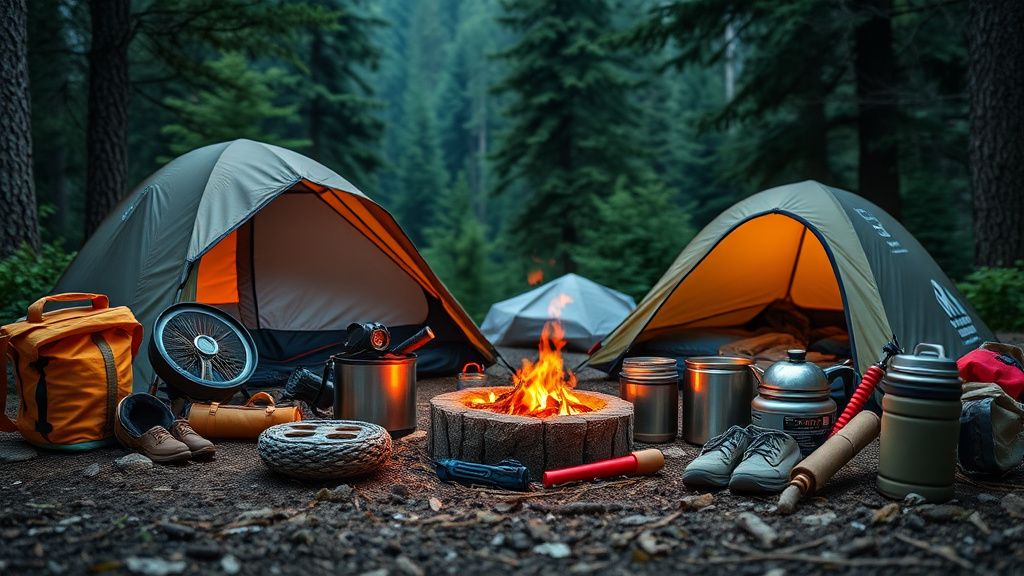
The Ultimate Checklist for Your First Overnight Backpacking Trip
Embarking on your first overnight backpacking trip is an exciting milestone, but proper preparation is key to staying safe and comfortable. Whether you’re heading into the mountains or exploring a forested trail, this checklist covers all the essentials—from gear to food—to ensure a smooth adventure.
1. Backpack and Packing Essentials
Backpack: Choose a pack with a capacity of 40–60 liters for overnight trips. Look for adjustable shoulder straps, a padded hip belt, and a ventilated back panel for comfort.
Pack Liner or Dry Bags: A waterproof pack liner (like a heavy-duty trash bag) or dry bags will keep your gear dry in case of rain.
What to Look For:
- Fit: Try on packs with weight to ensure proper load distribution.
- Accessibility: Top-loading packs are common, but some feature side or front zippers for easier access.
2. Shelter and Sleep System
Tent: A lightweight, freestanding tent (2–3 lbs) is ideal for beginners. Look for a double-wall design to reduce condensation.
Sleeping Bag: Choose a bag rated for the lowest expected temperature. Down bags are lightweight and compressible, while synthetic bags perform better when wet.
Sleeping Pad: An inflatable or foam pad provides insulation and cushioning. R-values of 2–4 are suitable for three-season camping.
What to Look For:
- Tent Size: A 2-person tent offers extra space for gear.
- Bag Shape: Mummy bags are warmer; rectangular bags offer more room.
3. Clothing and Layering
Base Layer: Moisture-wicking merino wool or synthetic fabric keeps you dry.
Insulating Layer: A fleece or lightweight down jacket provides warmth.
Outer Layer: A waterproof, breathable rain jacket and pants protect against wind and rain.
Extra Socks and Underwear: Pack at least two pairs of moisture-wicking socks and underwear.
What to Look For:
- Material: Avoid cotton—it retains moisture and loses insulation when wet.
- Fit: Layers should allow full range of motion without bulk.
4. Footwear
Hiking Boots or Trail Shoes: Choose waterproof, ankle-supporting boots for rough terrain or lightweight trail shoes for well-maintained trails.
Camp Shoes: Lightweight sandals or sneakers give your feet a break at camp.
What to Look For:
- Break-In Period: Wear new boots on shorter hikes before your trip.
- Traction: Look for deep lugs and sticky rubber soles for grip.
5. Food and Cooking Gear
Stove: A compact canister stove (like those using isobutane) is easy for beginners.
Cookware: A lightweight pot (0.8–1.5L) with a lid is sufficient for one person.
Utensils: A long-handled spork or titanium spoon avoids burns.
Food: Pack calorie-dense, no-cook options (nuts, jerky) and dehydrated meals.
Water Storage: Carry 2–3 liters in bottles or a hydration bladder.
Water Filter/Purifier: A pump filter or squeeze filter (like those with 0.1-micron pores) removes bacteria and protozoa.
What to Look For:
- Stove Stability: Wide bases prevent tipping.
- Filter Speed: Gravity filters are slower but require less effort.
6. Navigation Tools
Map and Compass: Even with GPS, a topographic map and compass are essential backups.
GPS Device or Smartphone: Download offline maps and carry a portable charger.
What to Look For:
- Map Detail: Ensure it covers your entire route.
- Battery Life: GPS devices last longer than phones.
7. First Aid and Safety
First Aid Kit: Include bandages, antiseptic wipes, blister treatment, and pain relievers.
Emergency Shelter: A lightweight bivy or emergency blanket can be a lifesaver.
Multi-Tool or Knife: Useful for gear repairs and food prep.
Headlamp: A 200+ lumen headlamp with extra batteries is a must.
What to Look For:
- First Aid Customization: Add personal medications.
- Headlamp Modes: Red light preserves night vision.
8. Hygiene and Waste Management
Biodegradable Soap: For washing hands and dishes (use 200+ feet from water sources).
Toilet Kit: Pack a trowel, toilet paper, and a sealable bag for waste (if required).
Hand Sanitizer: Alcohol-based for quick cleaning.
What to Look For:
- Trowel Durability: Metal or sturdy plastic digs better in hard soil.
9. Extras and Comfort Items
Trekking Poles: Reduce knee strain on descents and improve balance.
Sun Protection: Sunglasses, sunscreen (SPF 30+), and a wide-brimmed hat.
Insect Repellent: DEET or picaridin-based for bug-prone areas.
Journal or Camera: Document your adventure.
What to Look For:
- Pole Adjustability: Cork handles reduce sweat and vibration.
Final Tips
- Test Gear at Home: Set up your tent and stove beforehand.
- Check Weather: Adjust clothing and gear accordingly.
- Leave No Trace: Pack out all trash and minimize campfire impact.
With this checklist, you’ll be well-prepared for a safe and enjoyable first backpacking trip. Happy trails!
Our picks worth a closer look
Phone cases · 15% off first order
Phone Case GiftThey pick the model · 2 minutes Code FIRST15GIFT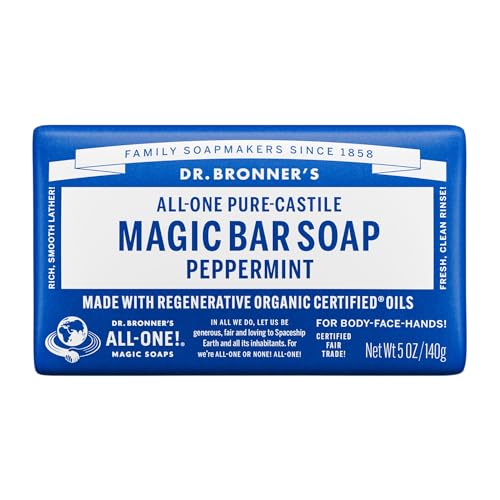
- Osprey Atmos AG 65 Men’s Backpacking PackCheck on Amazon → — see current price and specs.
- Nalgene 32oz Tritan Wide Mouth BPA Free Water BottleCheck on Amazon → — see current price and specs.
- MSR Hubba NX Solo Backpacking TentCheck on Amazon → — see current price and specs.
- Black Diamond Spot 350 HeadlampCheck on Amazon → — see current price and specs.