
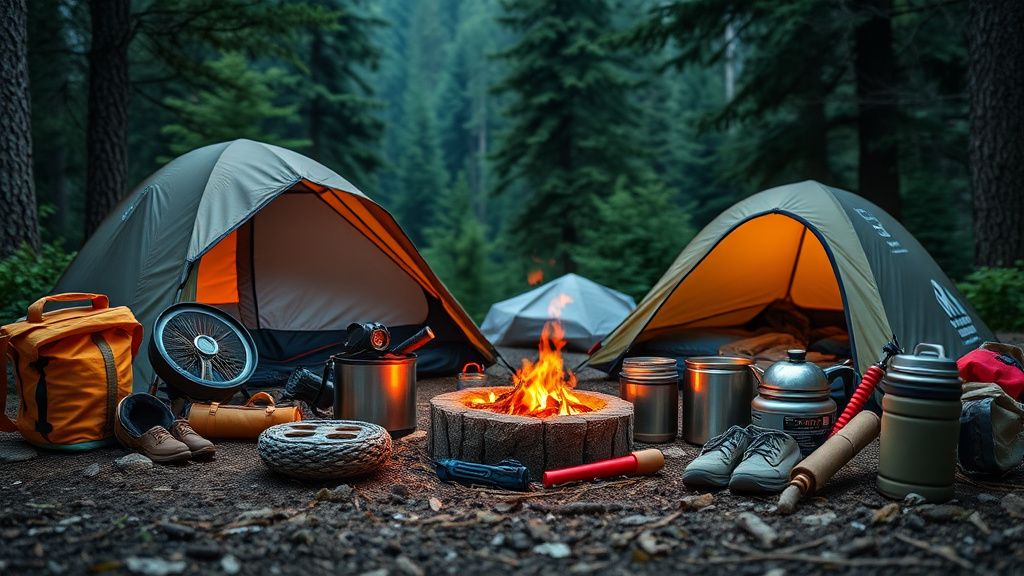
The Ultimate Guide to Choosing Your First Camping Stove
Camping stoves are essential for outdoor cooking, whether you’re backpacking, car camping, or preparing meals at a campsite. With so many options available, selecting the right one can be overwhelming. This guide breaks down the key factors to consider, helping you make an informed decision based on your needs.
Types of Camping Stoves
1. Canister Stoves
Canister stoves are lightweight, compact, and easy to use, making them ideal for backpackers. They run on pre-pressurized fuel canisters (typically isobutane-propane blends) and ignite with a built-in piezo lighter or a match.
Best for: Backpackers, solo travelers, and fast boil times.
Pros:
- Quick setup and ignition
- Lightweight and portable
- Adjustable flame control
Cons:
- Fuel canisters can be expensive and hard to find in remote areas
- Performance drops in cold weather
2. Liquid Fuel Stoves
Liquid fuel stoves use white gas, kerosene, or even unleaded gasoline. They’re reliable in extreme conditions and refillable, making them great for extended trips.
Best for: Winter camping, high-altitude expeditions, and long trips.
Pros:
- Works well in cold temperatures
- Fuel is widely available globally
- Adjustable flame for precise cooking
Cons:
- Requires priming (preheating the fuel)
- Heavier and bulkier than canister stoves
3. Wood-Burning Stoves
These stoves burn twigs, leaves, or other natural fuel sources, eliminating the need to carry fuel. Some models also function as rocket stoves for improved efficiency.
Best for: Eco-conscious campers, survivalists, and those traveling in areas with abundant wood.
Pros:
- No need to carry fuel
- Lightweight and simple design
- Works indefinitely as long as there’s fuel
Cons:
- Requires dry wood (not ideal in wet conditions)
- Slower boil times compared to gas stoves
4. Solid Fuel Stoves
Compact and ultralight, solid fuel stoves use tablets (e.g., hexamine or Esbit) for short cooking sessions.
Best for: Emergency kits, ultralight backpackers, and short trips.
Pros:
- Extremely lightweight
- Silent operation
- No moving parts
Cons:
- Slow cooking times
- Limited flame control
- Fuel tablets can leave residue
5. Integrated Canister Systems
These stoves combine a burner and pot into a single unit, optimizing fuel efficiency and wind resistance.
Best for: Backpackers prioritizing efficiency and space-saving designs.
Pros:
- Highly efficient fuel use
- Stable in windy conditions
- Compact when packed
Cons:
- Limited pot compatibility
- Higher initial cost
What to Look for in a Camping Stove
Phone cases · 15% off first order
Phone Case GiftThey pick the model · 2 minutes Code FIRST15GIFT
1. Weight and Packability
- Backpackers: Prioritize lightweight (under 1 lb) and compact stoves.
- Car campers: Weight is less critical; focus on stability and cooking power.
2. Fuel Efficiency
- Check boil time (how quickly it heats water) and fuel consumption.
- Canister stoves are efficient for short trips; liquid fuel is better for long expeditions.
3. Wind Resistance
- Look for stoves with built-in windshields or low-profile designs.
- Some models include pot supports that block wind.
4. Simmer Control
- If you plan to cook (not just boil), choose a stove with adjustable flame control.
- Liquid fuel and some canister stoves offer better simmering than solid fuel or wood stoves.
5. Durability
- Stainless steel or aluminum construction resists wear.
- Avoid plastic components in high-heat areas.
6. Ease of Use
- Canister stoves are the simplest; liquid fuel requires more setup.
- Consider auto-ignition features if you dislike using matches.
Final Tips Before You Buy
- Test Before You Go: Practice setting up and using your stove at home.
- Check Regulations: Some parks restrict certain fuel types (e.g., wood-burning stoves in fire-prone areas).
- Pack Backup Fuel: Always carry extra fuel or tablets in case of emergencies.
By understanding these factors, you’ll find a camping stove that matches your adventure style, ensuring hot meals wherever your travels take you.